The eos r50 is the kind of camera that looks easy to recommend after five minutes with its spec sheet. It is small, relatively approachable, and capable of producing much better results than a typical phone in the right conditions. But the useful question is not whether it takes good pictures. It does. The useful question is whether it fits the way you actually shoot, carry, and spend money.
I have learned to judge cameras by the after-excitement test: will you still want to bring it along on a busy Saturday, and will the controls still make sense when your toddler is moving quickly? Here are the three things that actually matter before you put one in your cart.
1. The eos r50 is easy to carry, but the lens changes the deal
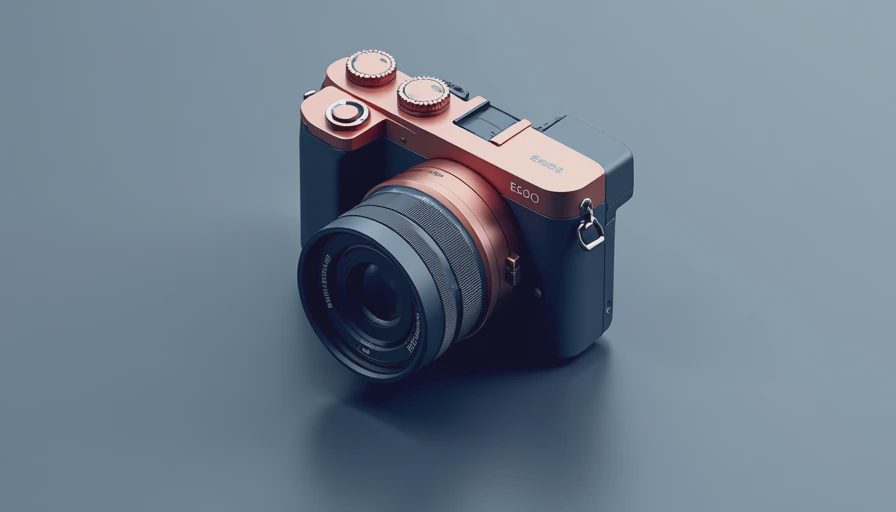
The body is one of the biggest reasons to consider this camera. It is much smaller and lighter than a traditional DSLR, so it can fit into a small backpack or a crossbody camera bag without turning a casual outing into a gear expedition. For family walks, travel, school events, and weekend photos, that difference matters more than a dramatic laboratory advantage.
The catch is that the body is only half the package. A compact lens keeps the setup comfortable, while a large zoom lens can make the camera front-heavy and less pleasant to carry. Canon’s RF-S 18-45mm kit lens is a practical starting point for everyday scenes, landscapes, and casual portraits. It is not especially bright in low light, but it keeps the overall kit small and usually costs less than building a specialized setup.
If you want stronger background blur or better indoor performance, an inexpensive 50mm or 35mm-style lens can change the experience. That upgrade can cost roughly $200 to $500 depending on the lens and sale price. The camera is portable; the system can become expensive and bulky if you keep chasing better glass.

2. Autofocus is the reason normal people will enjoy it
The eos r50 has modern subject-detection autofocus that makes it much easier to photograph people, pets, and moving subjects than older entry-level cameras. You do not need to move a focus point around the screen every time a child runs across the yard. In many situations, you can frame the shot, half-press the shutter, and let the camera handle the complicated part.
That is not the same as getting every frame perfectly sharp. Fast movement, dim rooms, busy backgrounds, and a subject turning away can still fool autofocus. However, the overall experience is forgiving enough for a beginner who wants better photos without taking a short photography course first.
This is also useful for video. A parent recording a birthday, a freelancer filming a quick product clip, or a small business owner making social content will appreciate focus that does not constantly wander. The camera is not a replacement for a dedicated cinema setup, but it is far less intimidating than many enthusiast models.
The important distinction is that autofocus helps you capture more usable moments; it does not automatically create better composition, lighting, or storytelling. Those are still your job, unfortunately. Cameras remain stubbornly bad at arranging the room before guests arrive.
3. Image quality is a real upgrade, but only in the right situations
The eos r50 uses a larger sensor than the one found in most phones, and that gives it more flexibility. In daylight, the difference can be subtle because modern phones process images aggressively and often produce attractive results. In indoor light, evening scenes, and portraits with controlled background blur, the camera has more room to create a natural-looking image.
You will notice the advantage most when you use a decent lens and avoid relying entirely on automatic decisions. A family portrait near a window can look dimensional and calm. A phone may brighten the shadows more aggressively, while the dedicated camera preserves a little more atmosphere. Whether that is better depends on your taste, but it often looks less processed.
The downside is workflow. A phone sends photos directly into apps, messages, and cloud storage. A camera asks you to charge a separate battery, carry an extra device, transfer files, and occasionally learn what an aperture does. If your real goal is instant sharing, the phone remains the frictionless winner.
The eos r50 makes the most sense for someone who wants to take photography a little more seriously without jumping into professional equipment. It rewards intention, but it does not punish beginners as harshly as older cameras did.
Where the eos r50 starts to feel limiting
This is where the spec sheet stops helping. The camera is not designed to be a high-end professional body, and that is fine. Its limitations become noticeable if you need extensive weather protection, two memory card slots, a large battery, or deep control over long shooting sessions. Wedding photographers, serious sports shooters, and people working in difficult outdoor conditions should look higher in Canon’s range.
The electronic viewfinder and screen are useful, but the overall handling is still closer to an entry-level camera than a rugged professional tool. The grip is comfortable for its size, yet larger lenses can make the balance awkward. Battery life is manageable for casual use, though I would budget for a spare if you plan to spend a full day traveling or photographing an event.
There is also the cost of the lens ecosystem. A discounted body can look like a bargain until you add a memory card, spare battery, camera bag, and a lens for low-light portraits. A realistic starter setup can land around $800 to $1,200 depending on the kit and accessories. That is not unreasonable, but it is no longer an impulse purchase.
Who should buy it and who should skip it
Buy the eos r50 if you want a small interchangeable-lens camera for family photos, travel, beginner photography, and occasional video. It is especially appealing when you are tired of phone photos looking flat indoors but do not want to carry a large camera. A first-time buyer can grow into manual controls without immediately feeling buried in menus.
It is also a sensible choice for a creator who wants cleaner video and a more natural look than a phone can provide. Add a compact microphone and a simple tabletop tripod, and it can handle many home-office or small-business projects.
Skip it if you mainly want instant sharing, rarely carry extra gear, or already own a recent high-end phone. The improvement will not justify the cost for every person. Also look elsewhere if you expect professional-level durability, long battery life, or serious action performance. Good product, wrong buyer is still the wrong purchase.
My buying call
If I were buying this for myself today, I would choose the body with the small kit lens, use it for a few months, and only then buy another lens. That sequence protects the budget and reveals what you actually miss. Maybe you need a brighter portrait lens. Maybe you discover that the camera stays in a drawer because your phone is simply easier. Both are useful answers.
Look for a kit discount rather than paying full price for every accessory separately. Canon bundles, authorized retailers, and seasonal sales can change the value substantially. I would also keep enough money aside for a spare battery and a comfortable small bag instead of spending the entire budget on the body.
The eos r50 is not a magic upgrade button, and it is not meant to be. It is a friendly entry into a camera system with enough image quality and autofocus help to make everyday shooting more rewarding. Buy the version you will still like after the excitement wears off: small enough to carry, simple enough to use, and affordable enough that the credit card bill does not become the main subject of the review.


No comments yet — be the first to share a thought.