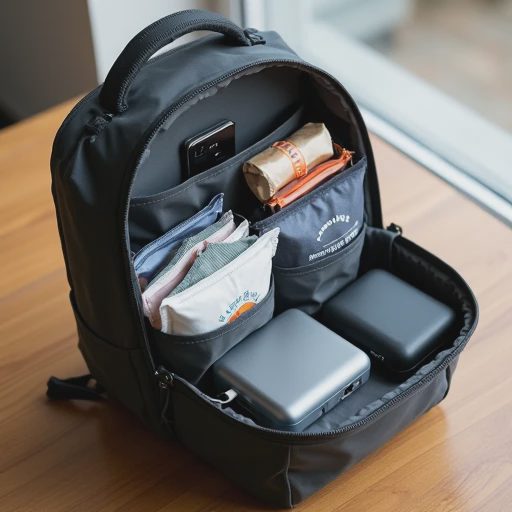
I’m Nolan. I carry a bag most days—work, errands, weekends with Miles, the occasional longer outing. For a long time the bag was treated like a tech kit with some extra space. That version kept failing in small, predictable ways. The current version is simpler and more honest about what the day actually requires.
Here is what is in it now, why each thing earned its place, and the lesson that took me longer than it should have to learn.
The core that is not tech
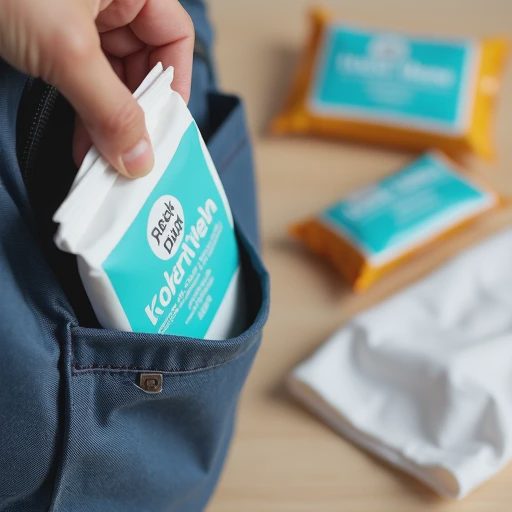
Wipes
Not the travel-size pack you forget to replace. A full, ordinary pack that lives in the bag. Spills, sticky hands, a quick clean of a surface before you set food down, the unexpected moment in a parking lot or waiting room—these happen more often than ideal cable management moments. Wipes are the highest-frequency non-tech item I carry. When they run out, the bag feels incomplete.
Snacks
Something shelf-stable, not messy, and acceptable to a three-year-old and an adult. The exact items rotate, but the category does not. Hunger turns small delays into larger problems. A couple of reliable options in the bag remove the need to solve that problem under pressure. This is not about preparedness theater. It is about keeping the day from tilting over something avoidable.
A small trash bag or two
Folded flat, almost weightless. Used more often than I expected—diaper situations, snack wrappers, the remains of something that should not stay in the bag. Once you have them, you stop improvising with whatever receipt or napkin is available.
These three items take up less space than most chargers and have solved more real-time problems.
The tech that actually belongs
One battery pack
Not the largest capacity I own. The one that is light enough to stay in the bag without negotiation and strong enough to give a phone meaningful charge or top up earbuds. It has a simple cable that stays with it. The goal is not to power a full workday from the bag. The goal is to cover the gap when the phone is low and the next outlet is not convenient.
The compact dual-port USB-C charger
The same one that has lasted eighteen months. It handles the laptop when needed and the phone or battery pack the rest of the time. Having one reliable brick in the bag means I do not carry multiples “just in case.”
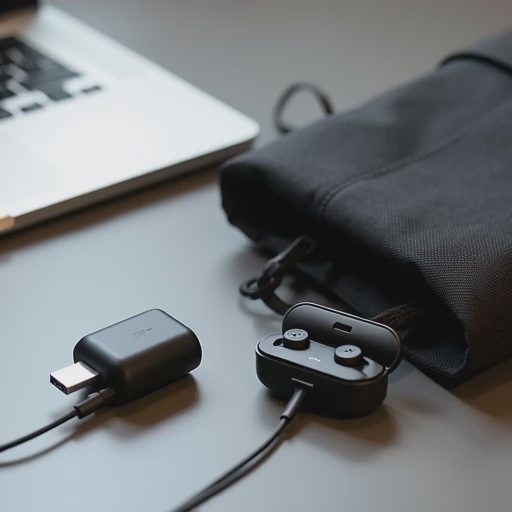
Earbuds in their case
For calls, for focus in loud environments, for the moments when a short audio buffer helps. They earn the space because they are used. Extra cables, dongles, and “maybe useful” adapters do not.
Everything else tech-related has to justify itself against these. Most of it has not.
What left the bag
Extra cables that were redundant with the ones already attached to the charger and battery pack
A second, larger power bank that was always too bulky for how often I needed the extra capacity
Small tools and adapters that solved edge cases I had not encountered in months
The “organized” tech pouch that created its own layer of unpacking and repacking
Each of those items was reasonable in isolation. Together they made the bag heavier and slower to use. The everyday cost exceeded the rare-day benefit.
The honest lesson
The bag is not a showroom for what I own. It is a tool for the day I am actually having. That day includes a child, unpredictable timing, food, mess, and limited patience for friction. Tech is part of the solution. It is not the whole solution.
I used to optimize the bag for device readiness and then improvise everything else. The better approach has been to optimize for the highest-frequency human problems first, then give the remaining space to the few pieces of tech that remove real inconvenience. The bag got lighter. The number of times I felt unprepared dropped.
There is a quiet relief in opening a bag and seeing only things you reach for. No orphaned cables. No gadgets that exist mainly to justify their own presence. Just the small set of items that match the shape of the days you keep having.
Buy the version of the product you’ll still like after the excitement wears off. The same rule applies to what you carry. Keep the things that earn their weight on ordinary days. Leave the rest at home.


No comments yet — be the first to share a thought.