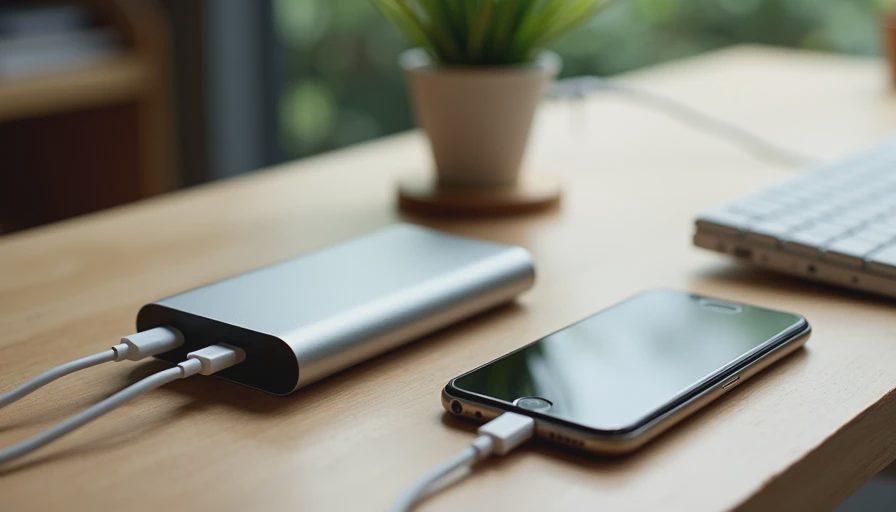
I’m Nolan. I carry a power bank more days than not—work bag, weekend outings, flights, and the kind of ordinary delays that turn a low phone battery into a problem. I also live in Austin, where heat is a real constraint, and I have little interest in adding bulk or complexity to a bag that already carries the basics for a three-year-old.
Most power-bank advice starts with capacity numbers and peak wattage. Those matter. They are not the first three things that decide whether the bank stays in the bag or gets left at home after a few weeks.
Here are the three that do.
1. Size and weight you will actually carry every day
The highest-capacity bank is useless if it stays on the shelf because it makes the bag feel heavier or more crowded. Daily carry is the real test. If the power bank only joins you on long travel days, you will solve fewer everyday low-battery moments and you will still need a second solution for ordinary use.
What I check:
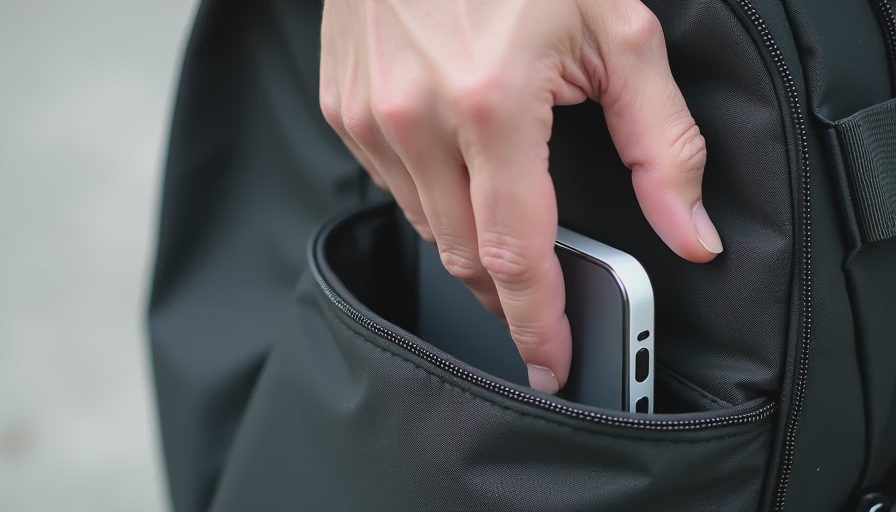
Does it fit in the bag pocket or compartment I already use without forcing a rearrangement?
Is the weight low enough that I do not notice it until I need it?
Can I hold it and the phone (or the cable) with one hand while standing in a line or sitting in a waiting area?
I have owned larger banks that could recharge a laptop and a phone multiple times. They were excellent at home and on long trips. They failed the daily-carry test. The one that earned a permanent spot is smaller, still useful for a phone and earbuds or a meaningful laptop top-up, and light enough that leaving it behind feels like the bigger risk. Capacity only helps if the bank is with you.
2. Behavior in heat and real travel conditions
Power banks and high temperatures are not friends. Austin summers, parked cars, packed bags, and the occasional outdoor wait can push devices into thermal throttling, slower charging, or uncomfortable surface temperatures. Airline rules add another layer: capacity limits, inspection, and the need to keep the bank in carry-on.
Practical filters:
Does the bank stay reasonable to the touch after sitting in a warm bag or car, or does it become something you hesitate to use?
Can it deliver useful power without dramatic slowdowns when the ambient temperature is already high?
Is the capacity clearly labeled and within the limits that keep airline travel straightforward?
A bank that performs well on a cool desk can feel different after a few hours in summer conditions. I prioritize designs that manage heat without constant intervention and that I can take through security without second-guessing the specs. The goal is reliability across the environments I actually encounter, not peak performance in ideal ones.
3. The charging experience when time and attention are limited
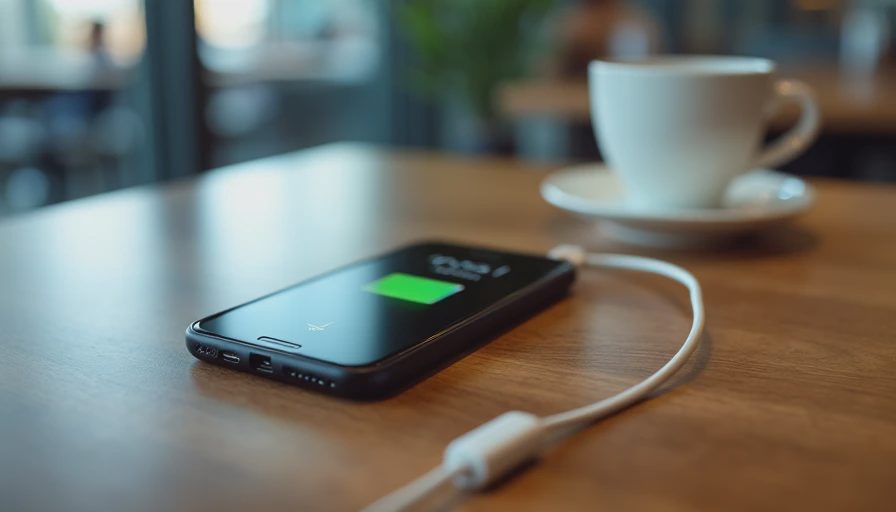
Most of the time you reach for a power bank, you do not have a long, calm window. You have a few minutes in a café, a gate area, a car, or the short gap before a call. The bank has to make that window useful.
What matters in practice:
Does it charge your main devices at a speed that produces a meaningful difference in limited time?
Are the ports and cables simple enough that you are not sorting through adapters or failing connections?
Can it be recharged itself with the same USB-C chargers you already carry, or does it introduce another brick and cable?
I care more about consistent, usable speed on the devices I actually carry than about the highest possible wattage number. A bank that can give a phone a solid boost or a laptop enough charge to finish a block of work—without fuss—earns its place. One that requires the right cable, the right angle, or a long uninterrupted session becomes another small source of friction.
The filter I use
Before I buy, I ask:
Is this small and light enough that it will live in the bag on ordinary days, not just travel days?
Will it stay reliable and reasonable to handle in heat and real movement?
Does the charging experience work in short, interrupted windows with the devices and cables I already use?
If a power bank fails any of those, the larger capacity or the extra ports rarely save it for my use. The best bank is the one that is present, trustworthy, and low-friction when the battery icon turns red.
Buy the version of the product you’ll still like after the excitement wears off. For a power bank aimed at flights, heat, and daily carry, that usually means prioritizing carry-ability, thermal and travel practicality, and simple real-world charging over the biggest number on the box. The right one disappears into the bag until you need it. The wrong one becomes dead weight or stays at home.


No comments yet — be the first to share a thought.