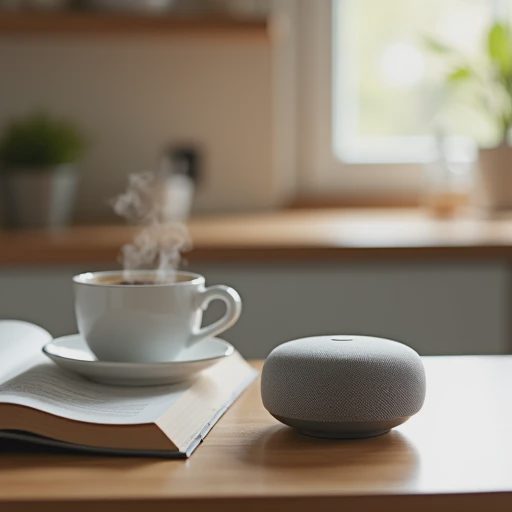
I’m Nolan. I buy tech with my own money and give it enough time to show whether it belongs in the house. A smart speaker felt like an easy yes. Voice control for timers, music, weather, and simple questions while cooking, cleaning, or dealing with a three-year-old seemed like the kind of small daily help that justifies a compact device on a shelf. I set one up. I used it for several weeks. Then I unplugged it and put it away.
It was not a disaster. It was just not worth the space once the novelty wore off.
The promise was broader than the useful reality
On paper the speaker could do a lot: play music, answer questions, control smart-home devices, set reminders, read lists, tell jokes. In practice the jobs I actually wanted it to do were narrower—timers while cooking, quick background music, the occasional weather or unit-conversion question with my hands full.
It handled some of those adequately. It also introduced enough small friction that I started reaching for my phone again.
Where it fell short in ordinary use
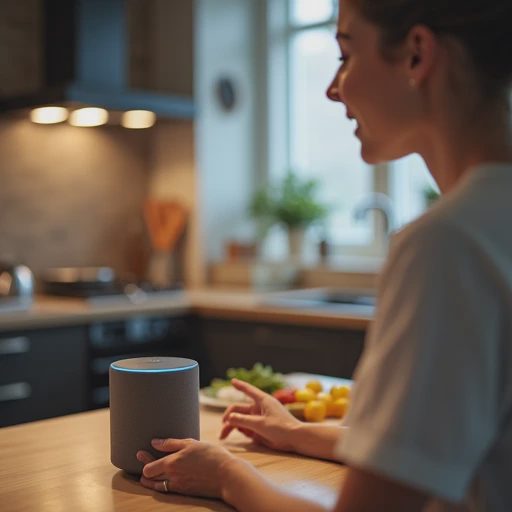
Voice recognition in a real house
The microphone worked well when the room was quiet and I spoke clearly from a good distance. It worked less well when the exhaust fan was on, water was running, Miles was talking, or music was already playing. I ended up repeating myself or walking closer. Each repetition was minor. The pattern made the hands-free promise feel inconsistent.
The quality of the answers and actions
Simple requests were fine. Anything slightly more complex—follow-up questions, precise timers with specific labels, or music that matched what I actually wanted—often required correction or a second attempt. The phone, for all its extra steps, was more reliable when I needed the result to be right the first time.
Sound that was acceptable but not preferable
For casual kitchen listening the speaker was okay. It was not better than a small Bluetooth speaker I already owned, and it was not good enough that I preferred it for longer listening. Once the voice-control novelty faded, the audio alone did not justify keeping it out.
The always-on presence
A device that is constantly listening, even with strong privacy controls and a mute button, still changes the feel of a room. I muted it often. Muting it reduced the convenience. Leaving it active meant accepting a low-level awareness that a microphone was available. For the amount of value I was getting, that tradeoff stopped making sense.
The deciding stretch
The turning point was not a single failure. It was noticing that days would pass without me using it, and that when I did use it I often had a backup plan ready in case it misunderstood. When a device becomes something you experiment with rather than something you rely on, it has already lost the everyday reach test.
I unplugged it, returned the shelf space to something quieter, and went back to the phone and a simple speaker for the few jobs that remained. Nothing essential broke. The house got a little less noisy in the background sense.
What I learned (again)
Smart speakers solve real problems for some households—especially ones that lean hard into voice routines, smart-home control, or hands-free music throughout the day. In this house the actual demand was smaller and the tolerance for inconsistency was lower. The device was competent at demos and average at the messy, interrupted reality of family life.
I do not need every category of gadget represented on a shelf. I need the ones that remove friction more often than they add it.
Buy the version of the product you’ll still like after the excitement wears off. This smart speaker had a strong first couple of days. It did not survive the quieter test of ordinary weeks. That was enough information to let it go.


No comments yet — be the first to share a thought.