
The Canon EOS 90D is one of those cameras that looks easier to judge than it really is. It is an older DSLR with a strong 32.5-megapixel sensor, excellent battery life, a comfortable grip, and a deep supply of affordable Canon lenses. But it also belongs to a camera generation that manufacturers have largely moved past. If you are shopping for a first serious camera, a family-travel upgrade, or a dependable body for wildlife, the three things that actually matter are price, autofocus expectations, and whether you want DSLR simplicity or mirrorless convenience.
My short version: the Canon EOS 90D is still a good product, but it is now a good product for a narrower buyer. Buy the version you will still like after the excitement wears off, not simply the one with the biggest number on the box.
First, understand what you are really buying
The Canon EOS 90D launched as an enthusiast DSLR, not a compact beginner camera. It has a substantial body, a bright optical viewfinder, physical controls, and a battery that can comfortably handle a long day of photography. That is useful when you are photographing a soccer game, hiking with a telephoto lens, or spending a wedding reception away from an outlet.
Its 32.5-megapixel APS-C sensor gives you room to crop. A bird that occupies only part of the frame can still produce a usable image, assuming the lens, light, and focus are doing their jobs. The camera also records 4K video and offers a fully articulating touchscreen, which helps with low-angle shots, family videos, and self-recorded presentations.
The tradeoff is size. Add a lens such as Canon's EF-S 18-135mm and this is no longer a casual purse or small backpack setup. The body feels reassuring in the hand, but it is not invisible on a day out with a three-year-old who has just discovered the joy of running in opposite directions.
The autofocus question is more important than the megapixels
For still photography through the optical viewfinder, the Canon EOS 90D uses a traditional DSLR autofocus system that can be very capable once configured correctly. It tracks action well enough for sports, pets, and wildlife, but getting the best results asks more from the photographer than many modern mirrorless cameras do. You need to select an appropriate focus area, understand subject movement, and learn how the camera behaves with different lenses.
Live View and video use Canon's Dual Pixel CMOS autofocus, which is one of this camera's more user-friendly features. On the rear screen, focusing feels smoother and more natural than the older contrast-detection systems found in many previous DSLRs. For casual video and photography from unusual angles, that makes the experience less frustrating.
Still, do not buy the Canon EOS 90D expecting the subject-recognition experience of a current Canon EOS R7 or Sony a6700. Newer mirrorless cameras are generally better at identifying eyes, people, and animals without requiring as much setup. That does not make the 90D bad; it means the 90D rewards a buyer who is willing to participate in the process.
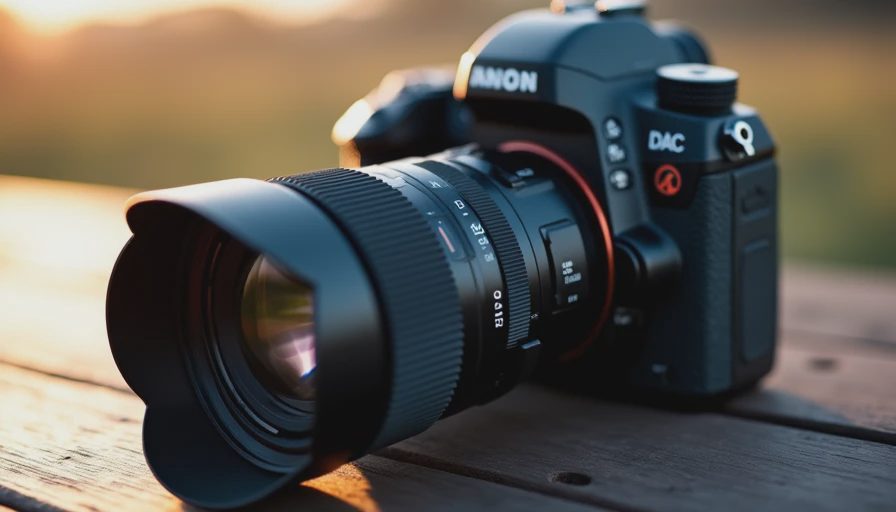
Where the Canon EOS 90D still earns its keep
The strongest case for the Canon EOS 90D is practical rather than fashionable. An optical viewfinder remains pleasant in bright sunlight because you are looking through the lens instead of watching a small electronic display. There is no viewfinder refresh to consider, and the camera starts quickly when a moment appears unexpectedly.
Battery life is another genuine advantage. Mirrorless cameras have improved, but a DSLR can still feel less needy on a long trip. You can spend a full afternoon shooting without constantly checking the battery icon, especially if you are taking still photos rather than recording video.
The EF and EF-S lens ecosystem also matters. Used Canon lenses are widely available, and choices range from inexpensive 50mm primes to telephoto zooms for birds and field sports. A used Canon EOS 90D body paired with a clean EF-S 18-135mm lens can create a flexible setup without immediately pushing the total cost into four figures.
The price line determines whether it is smart
Pricing is where this camera changes from sensible to questionable. A clean used body around $600 to $800 can be appealing, depending on shutter count, condition, included accessories, and local demand. A new old-stock kit approaching $1,000 deserves much more scrutiny because current mirrorless alternatives start competing with it.
If you already own Canon EF or EF-S lenses, the Canon EOS 90D becomes easier to justify. You can upgrade the body and keep using equipment you understand. If you are starting from zero, remember that the body is only the opening charge. A useful lens can cost $200 to $700, a spare battery and card add more, and a decent camera bag is not free despite every product photo suggesting otherwise.
Compare the full system cost against options such as the Canon EOS R10, Canon EOS R7, Sony a6400, or Fujifilm X-S10. Each has different strengths, but newer mirrorless bodies typically offer better portability and more advanced autofocus. The older DSLR wins when its lower used price and lens compatibility matter more than those upgrades.
Who should buy it, and who should skip it
The Canon EOS 90D makes sense for a photographer who wants a sturdy grip, an optical viewfinder, long battery life, and access to inexpensive used Canon lenses. It is also a reasonable choice for someone moving up from a basic Rebel who prefers familiar controls and wants more resolution for cropping. Wildlife hobbyists and outdoor photographers can appreciate its reach and dependable physical design.
It is a weaker choice for a traveler who counts every ounce, a parent who wants effortless photos of moving children, or a creator who records lots of handheld video. Those buyers will often appreciate a lighter mirrorless body and more automated subject tracking. If your current camera already feels heavy before you leave the house, a larger DSLR is unlikely to solve the problem.
This is also not the right purchase for someone who wants the newest lens mount and a long future runway. Canon's mirrorless RF system is where the company is investing most of its attention. EF lenses can still be useful with an adapter, but buying into a discontinued DSLR platform should come with a meaningful discount.
Three checks before handing over your money
Before buying a Canon EOS 90D, inspect the sensor for scratches, test every card slot, and make sure the touchscreen responds across its full surface. Fire several shots at different shutter speeds, then review them for exposure and focus consistency. Ask for the shutter count if buying used, but treat it as one clue rather than a complete health report.
Check the lens mount for excessive play and examine the included battery. A swollen or unreliable battery can turn a bargain into a $60 replacement task before your first real outing. Confirm that Wi-Fi, Bluetooth, the pop-up flash, dials, and articulating screen all work. If possible, photograph a plain wall at a narrow aperture to reveal dust or unevenness.
If I were buying the Canon EOS 90D for myself today, I would choose a clean used body at a clearly discounted price, preferably with a useful lens already included. I would not pay near-modern-mirrorless money for it. The camera remains capable, enjoyable, and surprisingly practical, but only when the deal respects its age.
The final buying call
The Canon EOS 90D is not an automatic recommendation, and it does not need to be. It is a focused recommendation for buyers who value DSLR handling, battery endurance, crop-friendly resolution, and affordable Canon lenses more than compact size or the latest autofocus tricks.
Buy it when you understand those tradeoffs and find a price that leaves room for a good lens. Skip it when the body costs nearly as much as a newer mirrorless alternative, or when you mainly want easy family video and automatic subject detection. In that situation, the Canon EOS R10 or a comparable Sony or Fujifilm body will probably create less friction.
A camera should make you want to take it with you, not become another expensive object waiting in the closet. The Canon EOS 90D can still earn its place in a real camera bag. Just make sure it earns that place through fit and value, not nostalgia for a spec sheet.

No comments yet — be the first to share a thought.