
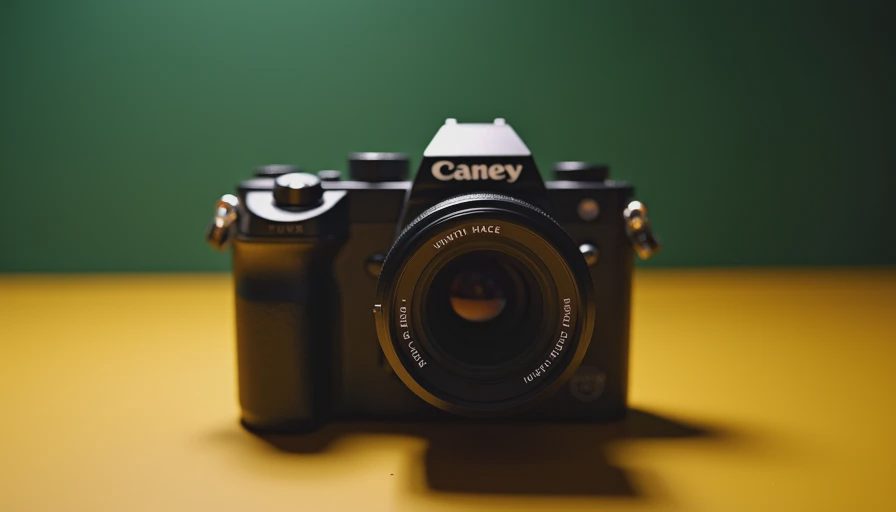
The eos rp is the kind of camera that looks more interesting after you stop reading the spec sheet. It is a small, relatively affordable full-frame mirrorless camera from Canon, and used prices can make it tempting for anyone moving up from an older Rebel or entry-level mirrorless body. But this is not a universal upgrade. The three things that matter are its size, its autofocus and image quality in normal use, and the compromises you will notice once your photography gets more demanding.
I like cameras that disappear into a day instead of turning every outing into a gear-management exercise. The eos rp generally does that well. It is light enough for a weekend walk, less intimidating than a large professional body, and capable of producing excellent photographs with the right lens. The catch is that it is an older design, so the bargain only works if your expectations are realistic.
1. The small full-frame body is the main attraction
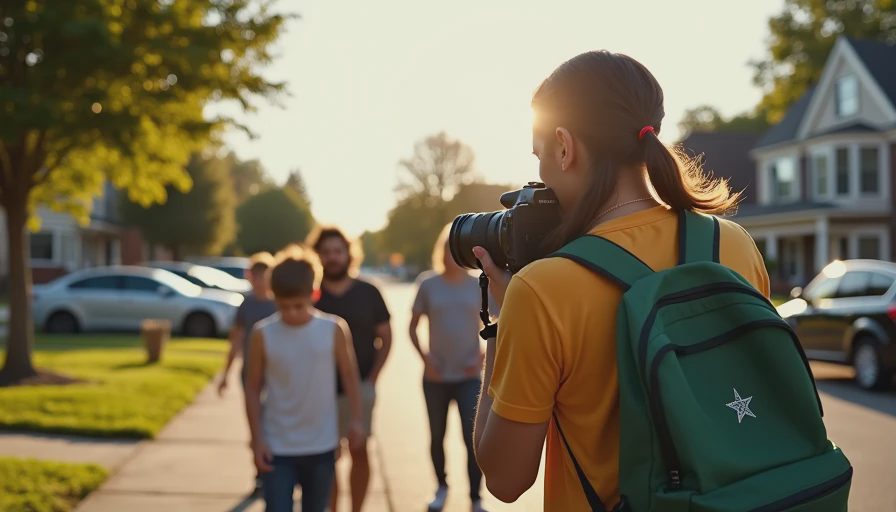
The biggest reason to consider the eos rp is not a dramatic laboratory advantage. It is the fact that Canon managed to put a full-frame sensor into a body that feels approachable for ordinary people. With a compact RF lens, it can fit in a small shoulder bag rather than demanding a dedicated camera backpack. That matters when you are photographing a child at a birthday party, carrying a camera on a trail, or trying to keep your travel setup under control.
Full-frame can also make practical differences. In dim restaurants or living rooms, the camera can produce cleaner files than many older crop-sensor models, especially when paired with a bright lens. The wider field of view is useful for interiors, landscapes, and environmental portraits. You can create background blur without standing halfway across the street, although the lens still matters more than the body for that look.
The tradeoff is battery life and grip comfort. The small battery is not disastrous, but heavy live-view use, video, or a long day of family photography can justify carrying a spare. Larger RF lenses also make the body feel front-heavy. A compact 35mm or 50mm lens suits the camera better than a huge professional zoom.
2. Image quality is still good, but speed is not its strong suit
For portraits, travel, food, street scenes, and everyday family photos, the eos rp remains more capable than its price suggests. Its roughly 26-megapixel sensor gives you enough resolution for normal prints, social media, photo books, and moderate cropping. Canon color is pleasant without requiring a long editing session, and raw files leave enough room to adjust exposure when a window or bright sky fools the meter.
The camera is less convincing for subjects that move unpredictably. A toddler running toward you, a dog racing across a yard, or a school sports game can expose the limits of its older processor and modest burst performance. Autofocus is useful and generally friendly for still photography, but the tracking experience is not as confident as what you get from newer cameras such as the Canon EOS R8, Sony a6700, or Nikon Z5 II.
This is where the spec sheet stops helping. A camera can have face detection and eye detection, yet still feel less dependable when the subject is moving quickly, the light is poor, or you need a long sequence of sharp frames. The eos rp is best when you can anticipate the moment and compose with a little patience. It is not the body I would choose specifically for action.
3. The lens decision can wreck the bargain
A cheap camera body paired with an expensive lens is still an expensive camera system. The eos rp uses Canon's RF mount, which gives you access to excellent lenses, but native full-frame RF glass can cost far more than the body itself. That creates an easy trap: finding a discounted camera, then spending another $1,000 or more before the setup feels complete.
If I were buying this for myself today, I would start with a modest lens plan. The RF 50mm F1.8 STM is a sensible portrait and low-light option, while the RF 35mm F1.8 Macro IS STM is more flexible for travel and indoor family photos. Canon's RF 24-105mm F4-7.1 IS STM is useful as an all-purpose zoom, though it is not especially bright at the long end. Used-market shoppers can also investigate adapted Canon EF lenses, provided they budget for a reliable EF-EOS R adapter.
The eos rp makes the most financial sense when you already own compatible Canon glass or have a clear, affordable lens path. If you need to buy several lenses immediately, compare the total system cost with a newer crop-sensor kit before clicking checkout.
Who should buy the eos rp
The best buyer is someone who wants better low-light flexibility and background control than a basic phone or entry-level camera provides, but does not want a large professional body. It works for a hobbyist photographing vacations, a parent making family albums, or a creator who mainly records still images and occasional simple video. It is also a reasonable used purchase for someone who wants to learn manual exposure without paying current flagship prices.
A used eos rp can be attractive when the body is in good condition and the seller includes a battery, charger, and clean sensor. I would inspect the mount, card slot, battery door, hot shoe, and rear screen. Ask for a sample image at a narrow aperture, where dust and sensor marks are easier to spot. Confirm that the autofocus behaves normally and that the camera can record to a card without errors.
The camera is a weaker fit for serious video work, demanding sports, wildlife, or anyone who wants the newest subject-recognition tools. Its video limitations and older battery platform become more irritating when the camera is used as a primary professional tool. A newer body may cost more, but missing a moment has its own price.
eos rp versus newer alternatives
The eos rp wins on size and used value. The Canon EOS R8 is a more convincing choice if you need faster operation, better autofocus behavior, stronger high-ISO performance, and more modern video features. It costs more, but the upgrade is meaningful rather than cosmetic. The older Canon EOS R can offer a larger grip and a higher-resolution viewfinder experience, although it is not automatically the better everyday bargain.
A crop-sensor model such as the Canon EOS R10 may be smarter for a first interchangeable-lens camera. It has newer autofocus behavior, a faster shooting experience, and access to smaller lenses designed for the crop format. You give up some full-frame low-light and depth-of-field advantages, but you may end up with a lighter, more affordable kit.
That comparison explains the real buying question. Do you want the smallest affordable path into full-frame, or do you want the most responsive camera for the money? The eos rp answers the first question better than the second.
My buying call
Buy the eos rp when the price is clearly below newer full-frame options, your subjects are mostly stationary, and you value a compact body more than cutting-edge speed. Pair it with one good, reasonably sized lens instead of building an expensive collection immediately. For a casual photographer, that setup can produce genuinely excellent images for years.
Skip it when the discount is small, when you expect to photograph sports every weekend, or when video is central to your work. In those cases, the Canon EOS R8 or a newer crop-sensor body is easier to recommend. The older camera is not bad; it is simply specialized around affordability and simplicity.
My short version: the eos rp is a good product for the right buyer, not a secret flagship. Buy the version of the product you will still like after the excitement wears off. If that means a small full-frame kit, this camera can still earn its place in your bag.


No comments yet — be the first to share a thought.