
The instax mini 12 camera is easy to understand, which is exactly why it is so tempting. You point it, press the shutter, and get a physical photo instead of another image buried in a phone library. That simplicity is the product's main strength. It is also the reason some buyers will enjoy it for years while others will use it twice and leave it in a drawer.
Before buying, focus on three things: how you will use the photos, whether you accept the ongoing film cost, and how much control you really want. The camera is not trying to replace a smartphone or a serious mirrorless camera. It is a small social gadget for birthdays, trips, weddings, scrapbooks, bedroom walls, and the occasional imperfect photo that feels more memorable because it cannot be instantly edited.
What the instax mini 12 camera does well
The first win is approachability. The Instax Mini 12 has a simple lens, a built-in flash, automatic exposure behavior, and a twist-style power control. You do not need to learn aperture, ISO, autofocus modes, or exposure compensation before handing it to a friend. That makes it a good choice for a family gathering where nobody wants a ten-minute tutorial before taking a picture.
Its photos use Instax Mini film, which produces small credit-card-sized prints. The image area is much smaller than a classic Polaroid print, but that compact size is practical. Prints fit inside wallets, journals, corkboards, and small photo albums without demanding a dedicated wall. The camera itself is also easy to carry in a tote or day bag, although its rounded plastic body takes more room than its cheerful appearance suggests.
The instax mini 12 camera is particularly good at turning a group activity into a physical keepsake. A phone photo can be sent to everyone later. An instant print gets passed around immediately, signed, taped to a gift, or tucked into a card. That small moment is difficult to measure on a spec sheet, but it is the whole point of buying this category.
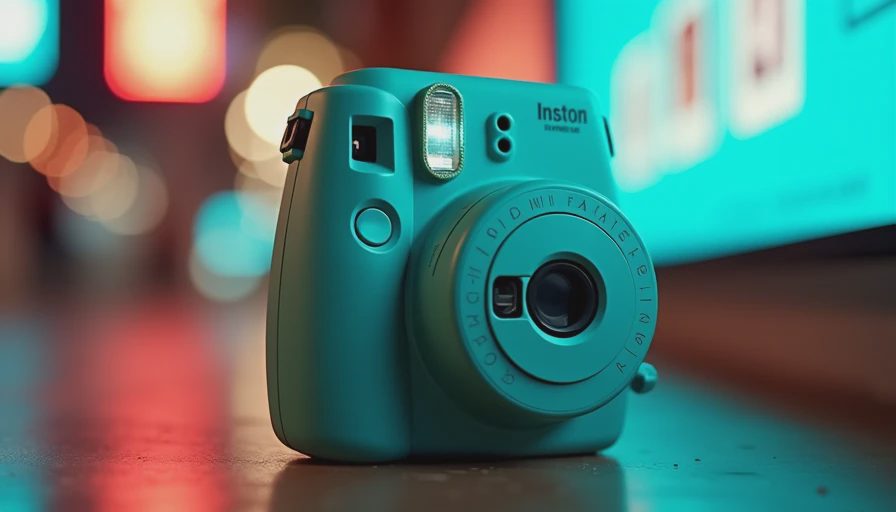
The film cost is the part people underestimate
The camera is often the inexpensive part of the ownership decision. Film is the recurring expense, and a buyer who shoots casually can still feel the cost after several parties or weekend trips. A standard pack commonly contains 10 exposures, while larger multipacks reduce the per-shot price somewhat. Prices change by retailer, color treatment, and whether you buy plain, black-and-white, or decorated frames.
Think about a realistic use case before purchasing. If you take 20 pictures at a birthday party, that could mean two film packs. At roughly $10 to $15 per 10-shot pack, the afternoon can add $20 to $30 before accessories. A wedding guest who wants to photograph every table could spend considerably more. That does not make the camera a bad value, but it does make each shutter press less disposable than a phone photo.
The instax mini 12 camera rewards a slower habit. Ask people to move closer, check that nobody is blinking, and avoid firing five nearly identical frames. That restraint improves the results and protects your film budget. Store unused film away from excessive heat and follow the package instructions, especially if the camera will sit in a hot car during summer.
Image quality: charming, not predictable
The Instax Mini 12 produces photographs with a soft, nostalgic character. Bright outdoor scenes generally give it the easiest job. Indoor photos can work well when subjects are close enough for the flash, but dark rooms, reflective surfaces, and distant backgrounds can produce disappointing results. The flash is useful, not magical.
The close-up mode helps with nearby subjects, but it is not a replacement for careful framing. Because the viewfinder and lens sit in different positions, very close compositions can shift from what you thought you captured. This is normal for simple instant cameras, yet it surprises people expecting phone-like precision.
The instax mini 12 camera is best when you accept small imperfections as part of the experience. A slightly washed-out face or an awkward crop can become part of the memory. If your main goal is sharp portraits, consistent skin tones, and easy retouching, your phone will win. If your goal is a physical print with personality, the limitations are more forgivable.
Three buyer situations to consider
For a first instant camera, the instax mini 12 camera makes sense when you want something guests can operate without instructions. It is a strong birthday or graduation gift for someone who enjoys journaling, decorating, or sharing tangible memories with friends. The colorful body options also make it feel more like a fun accessory than a piece of technical equipment.
For travel, it works best when you plan a few meaningful shots rather than documenting every meal and street corner. Ten exposures disappear quickly on a long weekend. Pack spare film, protect it from heat, and use a small case so the lens and prints do not get crushed in a backpack.
For children, consider the film budget and supervision. The controls are simple, but the camera is still a breakable electronic item, and film is not free. It can be a great shared activity with an adult. It is less appealing as an unlimited toy unless the household is comfortable paying for frequent replacement packs.
What the alternatives change
A smartphone remains the practical choice for volume, low light, editing, and sharing. You can take hundreds of pictures without buying film, then print only the best ones. A portable smartphone printer offers a middle ground: capture with your phone, choose the image later, and print on demand. That route usually gives you more control, though it removes some of the spontaneous surprise.
Polaroid-style cameras and larger instant formats can create more dramatic prints, but film often costs more and the cameras can be bulkier. A cheaper used instant camera may save money upfront, yet older models can have worn batteries, inconsistent flash behavior, or difficult-to-find accessories. The instax mini 12 camera is appealing because it is current, simple, and supported by widely available Mini film.
This is where the spec sheet stops helping. The best format is the one that matches your behavior. A person who loves physical albums may value every print. Someone who mainly wants one good photo from a party may prefer a phone printer or a regular camera with occasional lab prints.
The buying checklist that prevents regret
Before ordering, decide where the camera will live. If it has no home in a desk drawer, entryway basket, or travel bag, you are less likely to remember it. Then price the camera with at least two film packs, because a device without film is just a rounded plastic paperweight. A basic case can also be worthwhile if you plan to carry it regularly.
Check the return policy, especially when buying from a marketplace seller. Confirm that the box includes the expected accessories, inspect the lens area, and test the flash and film advance promptly. Do not open several film packs before confirming that the camera operates correctly.
For most normal buyers, the instax mini 12 camera is a buy if the goal is shared moments and small physical memories. It is a skip if you want perfect results, cheap high-volume shooting, or serious creative control. If I were buying this for myself today, I would purchase it for a specific event or ongoing album project, not because instant photography looked exciting in a product listing.
The final question is simple: will you still enjoy paying for film after the novelty wears off? If yes, the camera earns its place. Buy the version of the product you will still like after the excitement wears off.

No comments yet — be the first to share a thought.