
If you are shopping for noise cancelling headphones for sleeping, you probably do not need a 40-tab spreadsheet. You need to stop hearing a partner’s snoring, a neighbor’s bass, an early garbage truck, or the apartment HVAC cycling on at 2 a.m. The tricky part is that headphones designed for flights and office focus are not automatically good bedtime gear. They can be bulky, hot, uncomfortable on your side, and dead by the time your alarm rings.
The three things that actually matter are comfort in your normal sleep position, the kind of noise you need to reduce, and what happens when the battery runs out. Start there, then worry about brand names and app features. Buy the version you will still like after the excitement wears off.
1. Comfort beats maximum noise cancellation
A headset can have excellent active noise cancellation and still be a bad sleep purchase. Traditional over-ear models such as the Bose QuietComfort Ultra, Sony WH-1000XM5, and Apple AirPods Max use large ear cups, firm headbands, and controls that can press into a pillow. They are comfortable in an airplane seat, but side sleeping turns that comfort into a pressure point.
For back sleepers, full-size over-ear headphones can work if the ear cups are soft and the headband does not push your head forward. For side sleepers, low-profile sleep earbuds or a soft headband with flat speakers usually make more sense. Products such as the Soundcore Sleep A20 are built around a smaller shape, while a wireless sleep headband spreads pressure across fabric instead of placing a hard shell against your ear.
The catch is audio quality. Small sleep earbuds generally sound less spacious than premium travel headphones, and a fabric headband is not the place to expect crisp detail in a podcast. That is fine. At bedtime, “good enough and invisible” is often a better feature than studio-grade sound.
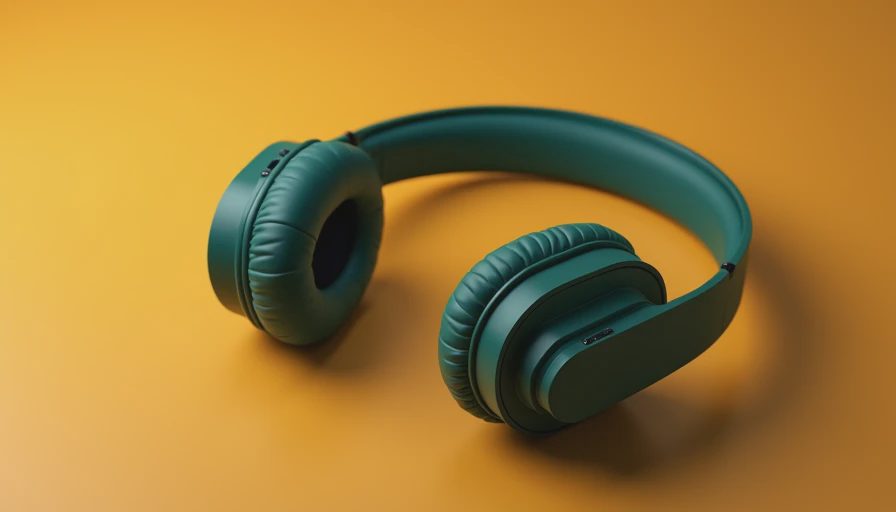
Before buying, perform a simple pillow test. Lie on your usual side for 10 minutes with the device on. Roll over, adjust the pillow, and reach for your phone as you normally would. If the product shifts, pinches, or makes you aware of your ear every few seconds, the problem will feel larger at 3 a.m. A generous return window is worth more than a slightly lower sale price.
2. Match the noise to the technology
Noise cancelling headphones for sleeping work best when you understand what active noise cancellation can and cannot do. ANC is strongest against steady, low-frequency sounds: an airplane engine, road hum, a window air conditioner, or a distant train. It is less reliable against sudden sounds such as a door closing, a dog barking, or a child calling from another room.
That distinction changes the buying decision. If your bedroom faces a busy street, a Bose QuietComfort model or Sony WH-1000XM series can reduce the constant rumble substantially. If your problem is a partner’s intermittent snoring, passive isolation, a consistent fan sound, or a masking track may be more useful than spending another $100 for stronger ANC.
Do not assume silence is always the goal. Some people sleep better with brown noise, rainfall, or a low-volume audiobook. In that case, headphones with reliable Bluetooth stability and a sleep timer matter more than the highest cancellation rating. Also consider whether you need to hear an alarm, a smoke detector, or someone in the home. Total isolation can be inconvenient even when it feels wonderfully quiet.
3. Battery, controls, and overnight behavior
Battery claims usually describe playback with certain settings, not every real bedtime scenario. ANC, Bluetooth, high volume, and multipoint connections can reduce runtime. A device rated for 30 hours might comfortably cover several nights, while a tiny sleep earbud may need its charging case more often.
For noise cancelling headphones for sleeping, look for at least one full night of dependable playback, simple physical controls, and an automatic shutoff or sleep timer. Touch controls can be annoying against a pillow because a brush of fabric may pause the track or change the volume. Physical buttons are less glamorous but easier to use half-awake.
Charging is another daily-life issue. If the earbuds live in a case on your nightstand, you are more likely to remember them. If the case uses USB-C, it can share a cable with a phone, tablet, or Kindle. A headband with a removable speaker module is easier to wash, but removing the electronics every time is one more small chore. Small chores are where good intentions go to die.
The three buyer types
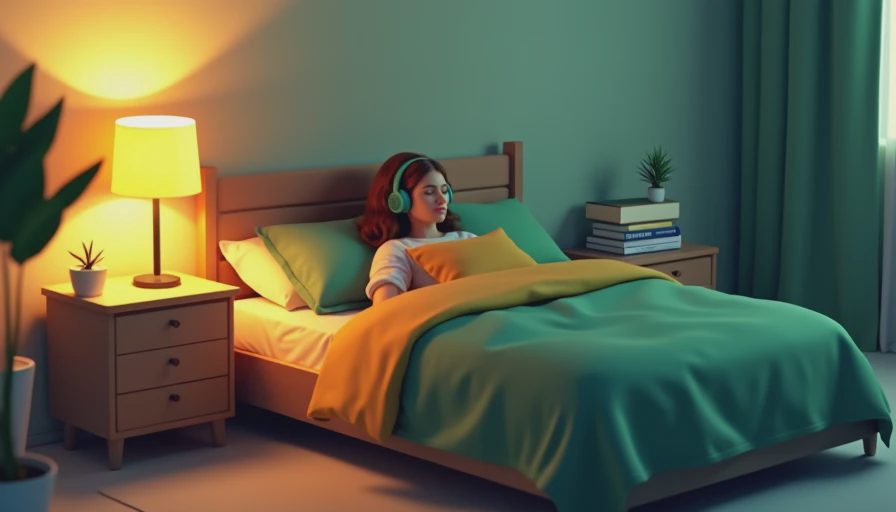
The best noise cancelling headphones for sleeping depend heavily on how you sleep. A back sleeper who wants quiet for a full night can reasonably use premium over-ear headphones, especially if the room is cool and the pillow leaves space around the ears. The Sony WH-1000XM5 and Bose QuietComfort lines are sensible starting points because they are widely available and designed for long listening, though neither is a purpose-built sleep device.
A side sleeper should look first at low-profile earbuds or a sleep headband. Expect compromises in microphone quality, app polish, and bass. The trade is worthwhile if a bulky headset keeps waking you. Check the earbud fit with the supplied tips, and avoid forcing a large model into a small ear canal simply because its discount looks attractive.
A light sleeper sharing a room with a partner may need masking audio rather than aggressive cancellation. A comfortable headband, a small Bluetooth speaker aimed away from the bed, or a fan can solve the problem with less pressure on the ears. If the sound is unpredictable, prioritize a stable fit and easy controls over premium specifications.
What I would spend
At under $50, you can find wired sleep headbands and basic Bluetooth models, but quality control is inconsistent. They are reasonable for testing whether you like sleep audio at all. Around $80 to $150, the choices improve: dedicated sleep earbuds, better headbands, and older premium headphones often appear in this range during sales.
At $250 or more, you are usually paying for refined ANC, stronger materials, better microphones, and a polished app. That can be worthwhile for someone who also wants headphones for work and travel. It is a poor value if the only job is playing brown noise while you sleep. The device should earn its place in your budget by doing more than one useful job.
For many buyers, noise cancelling headphones for sleeping are a second pair, not a replacement for everyday headphones. That makes return policies, washable parts, and comfort more important than a dramatic feature list. A $100 product you use every night beats a $350 product that sits in a drawer because the headband hurts.
A five-minute buying checklist
Start by measuring the problem: steady rumble, voices, snoring, or sudden interruptions. Then identify your sleep position and decide whether an over-ear shape is realistic. Check the return window, charging method, overnight battery claim, and whether the controls can be used without looking. Read reviews specifically for side sleeping, heat, pressure, connection drops, and accidental touch input.
When the package arrives, test it before removing every sticker and before assuming the first night was representative. Wear it for an hour while lying down. Try your normal pillow. Play the exact sound you expect to use, not just a dramatic music track. If the product creates new irritation, return it promptly rather than negotiating with yourself for two weeks.
For most people, the smart purchase is not the most powerful headset. It is the least noticeable device that handles the actual bedroom noise. Compare practical options, keep the volume modest, and choose noise cancelling headphones for sleeping only when the comfort tradeoff makes sense. If I were buying today, I would spend first on fit and a reliable return policy, then pay for stronger cancellation only if a persistent low rumble is the real problem.


No comments yet — be the first to share a thought.