
The Panasonic GX85 is one of those cameras that looks more interesting after you stop reading the spec sheet. It is compact, affordable, and capable of producing genuinely excellent photos, but it is also an older model with a few compromises that matter in daily use. If you want a small camera for travel, family photos, street shooting, or learning photography without spending $1,000, this could still be a smart buy. If you expect modern autofocus and phone-like convenience, the Panasonic GX85 deserves a closer look before your credit card gets involved.
1. The size is the main reason to buy it
The first thing that matters is not the 16-megapixel sensor or 4K label. It is the fact that the Panasonic GX85 is small enough to carry when a larger camera would stay at home. With a compact lens such as the 12-32mm kit zoom, it can fit into a small shoulder bag or a family-day backpack without becoming a commitment.
That changes how often you actually take pictures. A camera that comes along on a Saturday walk, a birthday dinner, or a weekend trip will usually create more useful memories than a technically superior model left in a closet. The GX85 also has a built-in electronic viewfinder and a tilting touchscreen, so you can shoot in bright sunlight or from low angles without relying entirely on the rear display.
The grip is modest, and larger lenses can make the body feel front-heavy. This is a compact camera first, not a miniature professional DSLR. Small Micro Four Thirds lenses from Panasonic and Olympus suit it best. A 20mm f/1.7 lens makes a particularly appealing everyday setup, while a 45mm f/1.8 lens is useful for portraits without turning the kit into a brick.

2. Image quality is good, but expectations need to be realistic
The Panasonic GX85 can deliver sharp, attractive images with pleasing color, especially in daylight or indoor scenes with reasonable lighting. Its Micro Four Thirds sensor is much larger than a typical phone sensor, giving you more control over background blur and better flexibility when editing exposure. The camera also records 4K video, which remains useful for casual clips, family projects, and travel footage.
However, this is not a full-frame camera, and it is not a current flagship. At high ISO settings, dark scenes can show more noise than images from newer APS-C or full-frame bodies. The smaller sensor also makes dramatic background separation harder with slow kit lenses. You can improve that experience with a bright prime lens, but the lens can cost as much as the used camera body.
The Panasonic GX85 includes in-body image stabilization, which is one of its best practical features. Stabilization helps reduce blur from your own hand movement when photographing still subjects at slower shutter speeds. It does not freeze a running child, a moving dog, or a cyclist. That distinction matters: stabilization helps the photographer stay steady, not the subject stay still.
3. Autofocus and handling are where the age shows
For still subjects, portraits, landscapes, food, and ordinary family snapshots, the Panasonic GX85 is responsive enough. Its autofocus system can focus quickly in good light, and the touchscreen lets you tap a subject or choose a focus area without digging through menus. For someone moving up from a phone, the controls provide useful creative room without requiring a photography degree.
The limitations become clearer with fast action. Newer mirrorless cameras from Sony, Canon, Nikon, and even Panasonic use more advanced subject detection and tracking. The GX85 can lose confidence when a child runs toward the camera, a person moves through cluttered lighting, or you try to track a small subject against a busy background. You can still get the shot, but you need better timing and more willingness to shoot several frames.
Battery life is another ordinary-but-important weakness. Carrying a spare battery or a USB charger is sensible for a full day away from an outlet. The camera also lacks a microphone input, which makes it less attractive for serious video work. This is where the spec sheet stops helping: 4K recording sounds impressive until you realize that audio, focus behavior, and battery logistics matter more for a real project.
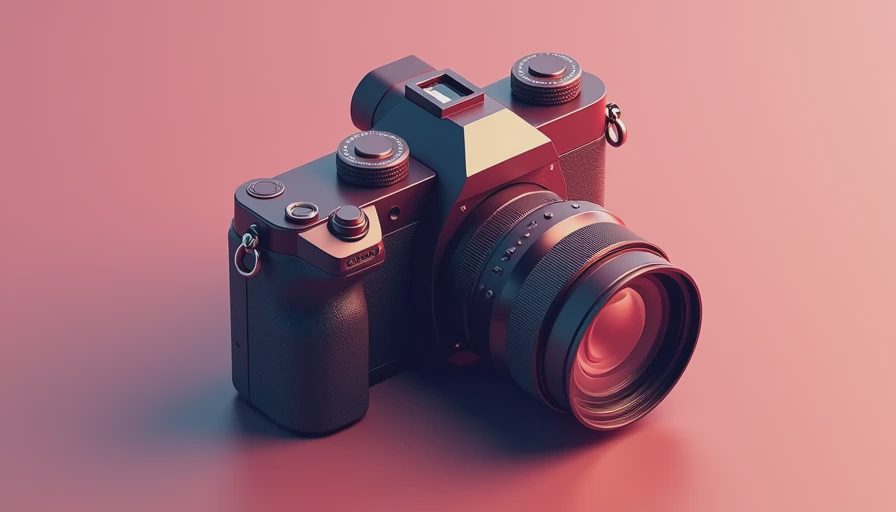
What the Panasonic GX85 costs and what to check
Because it is discontinued in many markets, you will usually find the Panasonic GX85 used, refurbished, or as old remaining stock. A body-only price around $250 to $400 can be reasonable depending on condition, included accessories, and seller reputation. A clean kit with the 12-32mm lens often lands roughly between $350 and $550. Prices above that need a strong reason, such as excellent condition, extra batteries, a desirable lens, or a reliable warranty.
Before buying, inspect the sensor for marks, the screen for damage, and the lens mount for excessive play. Take a test photo at a small aperture, such as f/16, against a bright plain surface to reveal obvious sensor dust or spots. Check that the electronic viewfinder switches on, the touchscreen responds, the dials turn properly, and the battery door closes securely.
Ask whether the kit includes the original charger and battery. Third-party batteries can work, but inconsistent replacements are a poor place to save $20. If buying from a marketplace, a return window is valuable. A camera body can look clean in photos while hiding a sticky control dial, worn shutter button, or failing stabilization system.
Who should buy it, and who should skip it
Buy the Panasonic GX85 if you want a small interchangeable-lens camera for travel, everyday photography, learning manual controls, or better-looking family pictures than your phone usually provides. It is especially compelling for buyers who find current cameras too expensive and older DSLRs too bulky. Pair it with one compact zoom and one bright prime, and you have a flexible setup without building a camera store in your closet.
Skip the Panasonic GX85 if you mainly photograph sports, wildlife, fast-moving children, or paid video projects. You should also look elsewhere if you want dependable subject tracking, a microphone jack, long modern battery life, or a deep upgrade path with the newest autofocus features. A used Panasonic G95, newer Panasonic G100, Canon R50, or Sony a6100 might make more sense if your budget can stretch toward those models, although each brings its own compromises.
This is a good product for the wrong buyer when someone purchases it expecting flagship behavior in a tiny body. The camera rewards patience, decent lenses, and realistic expectations. It does not reward chasing every moving subject with the shutter held down.
My practical buying call
If I were buying this for myself today, I would look for a clean Panasonic GX85 bundled with the 12-32mm lens for around $400, then spend the next purchase on a used bright prime rather than a larger zoom. That combination keeps the camera portable, improves low-light shooting, and preserves the reason to own this model in the first place.
I would not pay a premium simply because a listing calls it rare. Older cameras are not automatically collectibles, and “like new” is less useful than a clear shutter, clean sensor, working stabilization, and a return policy. Compare the total kit price with newer used bodies before committing.
The Panasonic GX85 is not the best camera for every job, but it remains a sensible little camera for normal people who want more control than a phone and less baggage than a full-size system. Buy the version you will still like after the excitement wears off: compact, tested, and matched with a lens you will actually carry.


No comments yet — be the first to share a thought.