
The sony alpha a6500 is the kind of camera that can still make sense after the launch excitement has disappeared. It is compact, fast, stabilized, and capable of producing excellent photos and 4K video. It is also an older model from 2016, with menus, battery life, and screen hardware that remind you it has been around the block. The question is not whether it can take good pictures. It can. The question is whether its compromises fit your actual life.
If I were buying one today, I would focus on three things: the price of a clean used body, your tolerance for Sony's older menus, and whether you need modern convenience features more than proven image quality. Buy the version you will still like after the excitement wears off, especially if this is your first serious camera.
1. The image quality is still the easy part
The sony alpha a6500 uses a 24.2-megapixel APS-C sensor, which is more than enough resolution for family photos, travel images, portraits, street photography, and online video. In normal daylight, it can deliver noticeably more control and background separation than a phone. With a compact prime lens such as Sony's 20mm f/2.8 or Sigma's 30mm f/1.4, it becomes a small everyday kit rather than a camera that lives in a closet.
Autofocus is another strength. The camera has a dense phase-detection system and can track moving subjects far better than many inexpensive older mirrorless cameras. That matters when a child is running across a playground or a dog refuses to pose for the family photo. Continuous shooting is fast enough for action, although the camera's buffer and card-writing behavior are not as relaxed as newer models.
The five-axis in-body stabilization is useful for handheld stills and slow-moving video. It will not freeze a moving subject, but it can help you use a slower shutter speed in a dim restaurant or living room. This is where the spec sheet stops helping: stabilization is not a magic low-light button, but it can save a shot when your hands are less steady than your ambitions.

2. The daily-use compromises are real
The sony alpha a6500 is small, but small does not always mean effortless. Its grip is usable, though larger lenses can make the setup feel front-heavy. The battery is modest by current standards, so a spare battery or USB charger belongs in the bag if you plan to spend a full day traveling. A single memory-card slot also means this is not the body I would choose for a paid wedding or an assignment where instant backup matters.
The touchscreen helps with focus selection, but it does not flip forward for self-recording. That is a major distinction for vloggers who need to see themselves while filming. Video users get a microphone input, 4K recording, and useful picture controls, but there is no headphone jack for monitoring sound. You can make good footage with the sony alpha a6500, yet the experience is less polished than newer cameras from Sony, Canon, Fujifilm, or Panasonic.
Sony's menu system from this era is also dense. Once configured, the camera works well, but finding a particular setting can feel like searching for a light switch in someone else's house. Plan on spending an evening setting up custom buttons, autofocus behavior, and a sensible file format. That is annoying once; forgetting your settings during a vacation is annoying forever.
3. Price decides whether it is a smart buy
The sony alpha a6500 is most interesting as a used camera. Depending on condition, shutter count, included accessories, and seller reputation, a body commonly sits in the several-hundred-dollar range rather than competing directly with new midrange cameras. A clean body from a reputable used dealer with a return window is worth paying more for than a bargain listing with damaged ports, a tired battery, or sensor dust.
Before buying, check the sensor under a bright light, test every command dial, inspect the hot shoe, and record a short 4K clip. Look closely at the screen hinge and the rubber port covers. Confirm that the battery compartment closes firmly and that the camera saves images consistently to your card. A lightly used body with a Sigma 30mm f/1.4 can be a better starter package than a cheaper body paired with a slow kit lens.
Do not forget the lens budget. The body is only half the purchase, and a $550 camera with a $400 lens is not really a $550 setup. Sony's E-mount offers many choices, including affordable Sigma and Tamron options, but the variety can encourage unnecessary shopping. Start with one lens that matches your life instead of building a theoretical collection.
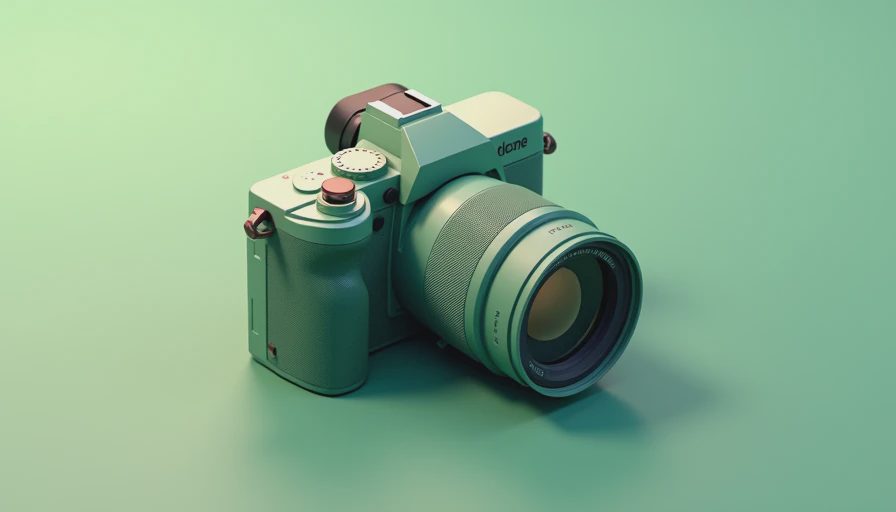
Who should buy the Sony Alpha A6500?
The sony alpha a6500 suits a buyer who wants interchangeable-lens image quality in a travel-friendly package and is comfortable learning a slightly older interface. It is a good fit for family photography, hiking, casual sports, product photos, and beginner video where stabilization matters. It is particularly appealing if you already own compatible Sony E-mount lenses or find a well-priced kit locally.
It is less convincing for someone who wants a front-facing screen, excellent built-in microphones, dual-card recording, long battery life, or a camera that feels effortless straight out of the box. A phone might be better for a person who values instant sharing above control. A newer entry-level Canon or Sony body may be better for a first-time user who wants friendlier menus and current subject-detection features.
That does not make the sony alpha a6500 obsolete. It makes it specific. Good product, wrong buyer is a more useful diagnosis than calling every older camera bad.
What I would compare before purchasing
Compare it with the Sony a6400 if autofocus updates, a flip-up screen, and a newer interface matter more than in-body stabilization. Consider the Sony a6600 if battery life and a more comfortable long-term setup justify a higher used price. Fujifilm's X-S10 is another practical alternative because it combines stabilization with a more approachable shooting experience, though lens pricing and availability differ.
For video-first buyers, Panasonic models can offer strong recording controls and monitoring features. For simple family photography, a modern phone may still win because it is already in your hand, shares instantly, and handles difficult lighting automatically. The right comparison is not “which camera has the best specifications?” It is “which camera will I actually carry on a Saturday morning?”
The final buying call
I would buy the sony alpha a6500 today only at a sensible used price, with a return window, and with enough money left for a decent lens and spare battery. I would not buy it as a professional backup where two card slots are important, or as a self-shooting vlog camera where the fixed screen becomes a daily irritation.
For the right buyer, this remains a capable little camera with strong autofocus, useful stabilization, and image quality that has not suddenly aged. For everyone else, newer alternatives can reduce friction enough to justify the extra cost. If you find a clean sony alpha a6500 and understand its limitations, it can be a very good value. If you are already negotiating with yourself about its screen, battery, and menus before checkout, listen to that hesitation. It is probably pointing you toward a newer body.

No comments yet — be the first to share a thought.