
I’m Nolan. I buy tech with my own money, live with it through real weeks (not review honeymoon periods), and keep what still feels worth the space after the novelty fades. Wireless earbuds sit near the top of the “easy to regret” list. They’re small, the marketing is loud, and the difference between a solid daily driver and an expensive pocket paperweight often comes down to three practical filters most people never check first.
Here’s the short version of what actually matters if you’re buying for work calls, focus time, and the rest of normal adult life—not for audiophile flexing or gym-only sessions.
1. Call quality and microphone behavior in the real world beat “ANC that blocks jet engines”
Most people shopping for wireless earbuds will spend the majority of their listening time on calls or short voice notes, not deep focus playlists. Yet almost every product page leads with noise-cancellation numbers and driver size.
What you actually need to know: how the microphones handle your voice when you’re walking past traffic, sitting in a slightly echoey home office, or taking a call while a three-year-old is asking questions from the next room. Many earbuds with excellent music ANC still turn your voice into a muffled, robotic mess the moment wind or background noise appears. Others do the reverse—passable calls, mediocre music isolation.
Lived-in test I use:
Can the other person understand you without asking you to repeat yourself twice?
Do you sound like yourself or like you’re calling from inside a cardboard box?
Does the ANC stay useful when you’re not in a perfect quiet room?
If the earbuds fail the call test, the rest of the feature list becomes secondary for most buyers. “Good for music, mediocre on calls” is a common and expensive mismatch for people who work from home, take client calls, or just talk to family while doing other things.

2. Fit, comfort over hours, and the “still in my ears at 4 p.m.” factor
Specs rarely tell you whether a pair will still feel fine after a two-hour deep-work block or a long afternoon of calls interrupted by life. Tip sizes, wing tips, stem design, and weight distribution matter more than most marketing admits.
I’ve returned otherwise excellent earbuds simply because they started to ache after 90 minutes or worked their way loose every time I turned my head to talk to someone. The ones that stay in my rotation share a few practical traits:
Multiple tip options that actually create a seal without aggressive pressure.
A shape that doesn’t dig into the ear canal or outer ear after the first hour.
Enough stability that walking, nodding, or quickly looking over my shoulder doesn’t require constant readjustment.
If you wear glasses, have smaller ears, or plan to leave them in for long stretches, try them in a real context before the return window closes. The “perfect fit for the reviewer” is not the same as the fit that survives your actual day. Comfort is not a soft feature—it’s the difference between earbuds you reach for automatically and earbuds that live in the charging case.
3. Battery reality, charging habits, and what “all-day” actually means in your life
Most boxes claim 6–8 hours of playback plus extra from the case. Real life is messier. ANC on, calls mixed in, volume at a level that lets you hear the world a bit, and the fact that you forget to drop them in the case between meetings all change the math.
What I check:
How the battery behaves with a realistic mix of music, calls, and ANC.
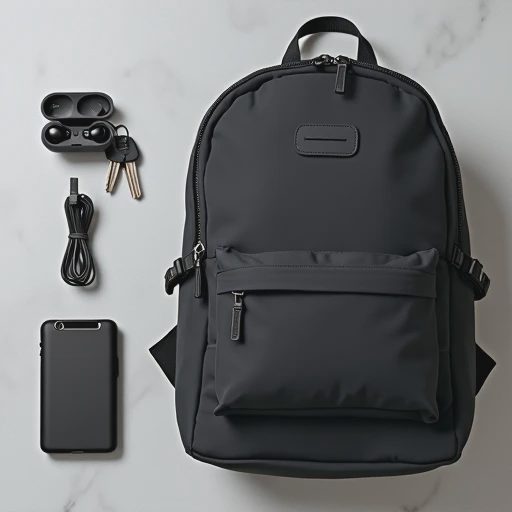
Whether the case is small enough that it actually travels with you (or ends up left on the desk).
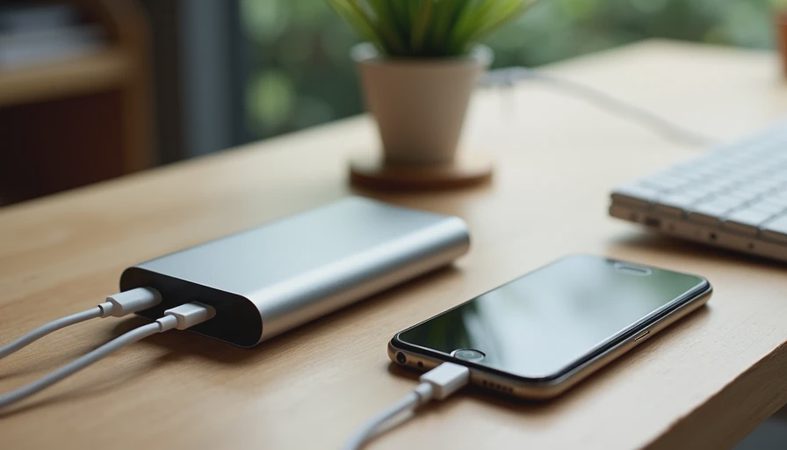
Quick-charge behavior when you only have 10–15 minutes before the next call.
Whether the earbuds themselves give clear low-battery warnings instead of just dying mid-sentence.
The ones that earn permanent bag space are the pairs where the battery matches how I actually use them, not the maximum number on the box. If you’re someone who charges devices overnight and rarely thinks about them during the day, a solid case with fast top-ups usually matters more than the absolute highest single-charge number.
The decision filter I use
When I’m looking at a new pair, I ask three questions in order:
Will these handle the calls and background noise of my actual week without making me sound or feel compromised?
Can I wear them for the stretches of time I actually need without discomfort or constant adjusting?
Does the battery and case behavior fit how I move through a normal day, or will I end up managing the earbuds more than they help me?
If a pair fails any of those, the rest of the feature list (app EQ, spatial audio, fancy case finishes) becomes noise.
Buy the version of the product you’ll still like after the excitement wears off. For wireless earbuds that means prioritizing the three things above over the loudest marketing claims. The right pair disappears into your day. The wrong pair becomes another small piece of tech you eventually stop reaching for.
That’s the filter. Use it before the unboxing video and the 30-day return window start counting down.

No comments yet — be the first to share a thought.