The eos r6 mark ii is the kind of camera that looks intimidating on a spec sheet but feels surprisingly friendly after a weekend of actual use. It is a full-frame mirrorless body aimed at people who want dependable autofocus, strong image quality, and serious video without stepping into Canon's most expensive professional tier. The more useful question is not whether it is capable. It clearly is. The question is whether those capabilities will improve your photos enough to justify spending roughly $2,000 to $2,500 on the body, depending on sales and bundles.
I would make this decision around three things: autofocus that can keep up with real life, handling that does not get in your way, and whether you will actually use its video and low-light advantages. Buy the version of the product you will still like after the excitement wears off.
1. The autofocus is the reason to buy it
The best thing about the eos r6 mark ii is not its headline resolution. It is the confidence you get when a subject starts moving. Canon's Dual Pixel CMOS AF II system can recognize and track people, animals, and vehicles, while eye detection helps keep attention on the subject instead of the background. That matters when photographing a child running across a yard, a dog charging toward you, or a partner walking through uneven evening light.
This does not mean every frame will be perfect. A subject can turn away, disappear behind an object, or move faster than your shutter speed can handle. Still, the camera removes much of the old DSLR-era guesswork. You spend less time moving a focus point around and more time watching the moment.
For family photography, events, travel, and casual sports, that difference is worth more than another small bump in resolution. A 24-megapixel full-frame sensor gives you enough room for prints, albums, social posts, and moderate crops. You are not buying this body to make enormous gallery prints from heavily cropped images. You are buying it to get more keepers when the scene refuses to cooperate.
2. It is fast without feeling like a science project
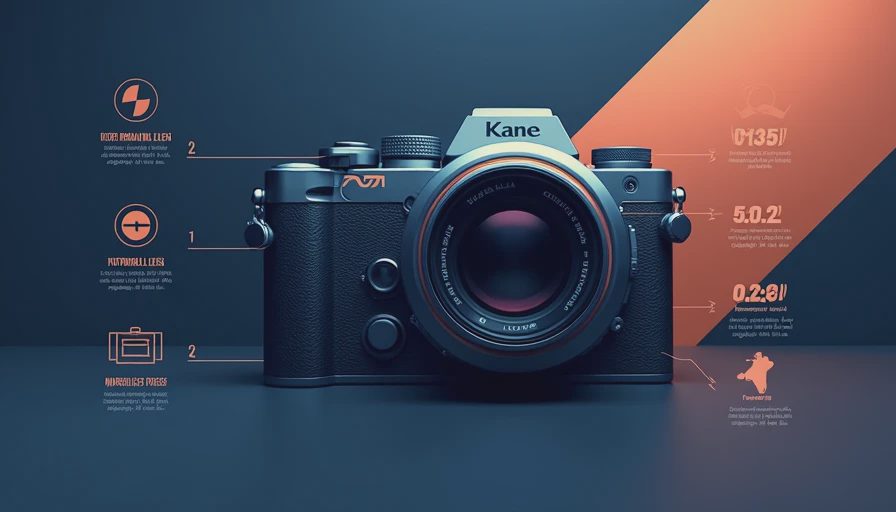
A camera can have excellent specifications and still be annoying to carry. The eos r6 mark ii mostly avoids that trap. Its grip feels substantial without becoming absurdly bulky, and the controls are arranged for quick changes to shutter speed, aperture, ISO, and focus behavior. The electronic viewfinder is useful when bright sunlight makes the rear screen hard to read, while the fully articulating touchscreen helps with low-angle shots, family videos, and awkward tripod positions.
The body also provides in-body image stabilization, which helps reduce blur from hand movement when you are shooting still subjects at slower shutter speeds. It cannot freeze a moving child or cyclist; that requires a faster shutter. But it can make a dim restaurant, indoor birthday party, or evening street scene easier to handle.
Battery life and storage planning still deserve attention. Carrying a spare battery is sensible for a full day of travel, especially if you use the viewfinder constantly or record video. The camera uses two SD card slots, which is reassuring for important events and gives you more flexibility on long outings. A fast, reliable UHS-II card is a better purchase than filling the bag with several cheap cards of uncertain quality.
The eos r6 mark ii also has the kind of menu depth that rewards learning but can overwhelm a first-time interchangeable-lens buyer. Give yourself an evening to customize buttons and save a simple shooting setup. That small investment pays back every time the light changes quickly.
3. Video is genuinely useful, not just a checkbox
Many hybrid cameras advertise video as if adding a record button automatically makes them filmmaking tools. The eos r6 mark ii is more convincing because its autofocus, stabilization, microphone input, headphone monitoring, and flexible recording options fit real projects. It is a strong choice for family documentaries, YouTube work, interviews, business clips, and travel footage where you want a polished look without bringing a cinema rig.
The camera can record detailed 4K footage and offers higher-frame-rate options for slow motion. That gives you room to make a birthday recap, product demonstration, or short travel film look more intentional. The fully rotating screen is particularly useful when you are recording yourself, although a small external monitor can still make framing easier.
There are tradeoffs. Longer, demanding recordings can create heat and battery pressure, and serious video work quickly becomes more expensive once you add lenses, a microphone, spare batteries, lights, and storage. The body is not a magic shortcut around those costs. If your plan is mostly short clips for family group chats, a modern phone may be simpler and cheaper. If you want interchangeable lenses and better control of background blur, this camera earns its space.

Where the eos r6 mark ii makes financial sense
The body price is only the beginning. A practical starter kit might include an RF 50mm f/1.8 lens around the lower-cost end, or an RF 24-105mm f/4 L lens that can cost well over $1,000 depending on the version and sale. Add a spare battery, a card, a camera bag, and perhaps a microphone, and the total can move past $3,000 quickly.
That is why lens choice matters more than chasing every feature. For portraits and indoor family photos, a bright 50mm prime can deliver a noticeable improvement in low light and background separation. For travel, the RF 24-105mm range is more convenient because it handles wide scenes, everyday portraits, and moderate telephoto work without constant lens changes. If you photograph wildlife or field sports, a longer lens may cost more than the body itself, so budget honestly before ordering.
Used and refurbished options can change the calculation. A clean prior-generation Canon body or a discounted kit may leave enough money for the lens you will use every week. The eos r6 mark ii becomes a poor value if buying it forces you to use an inexpensive lens that does not match your subjects.
Who should skip it
The eos r6 mark ii is not automatically the best camera for every buyer. Skip it if you mainly post phone-sized images, rarely edit photos, and dislike carrying a dedicated bag. A current smartphone is faster to share, always connected, and often good enough in daylight. You might also prefer the smaller Canon EOS R10 or a similar APS-C body if portability and a lower total system cost matter more than full-frame low-light performance.
Existing Canon owners should look closely at their lenses before upgrading. If you already have a capable EOS R body and mostly photograph stationary subjects, the improvement may feel incremental rather than transformational. On the other hand, photographers coming from an older Rebel, an aging DSLR, or a basic entry-level mirrorless camera will likely notice the autofocus and handling upgrade immediately.
This is also not the ideal choice for someone who wants maximum resolution for large commercial prints or heavy cropping. Canon's higher-resolution bodies are better suited to that job, though they usually bring larger files, higher prices, and less forgiving storage demands.
My buying call
If I were buying the eos r6 mark ii for myself today, I would choose it for family photography, travel, portraits, events, and hybrid photo-video work. I would not buy it simply because a review called it “professional.” Professional-looking results still depend on light, timing, lens choice, and practice. The camera can give you a much higher floor, but it cannot replace those decisions.
Look for a body-only sale, then reserve part of the budget for one lens that fits your most common subject. Test autofocus with people moving toward you, record a few minutes of 4K video, and hold the camera with your intended lens attached before committing. That hands-on check tells you more than another hour of spec comparisons.
The eos r6 mark ii is a strong buy for a normal person who wants room to grow without jumping to an oversized professional setup. It is fast, flexible, and forgiving in the moments that matter. Just remember that the affordable-looking body becomes an expensive system if you ignore lenses and accessories. Buy the version you will still like after the excitement wears off.
No comments yet — be the first to share a thought.