The Fujifilm X Half is aimed at people who want a camera that feels more intentional than a phone but less demanding than a traditional interchangeable-lens setup. That is a smart idea. Most of us do not need another device that requires a camera bag, three batteries, and a weekend tutorial before taking a decent picture. We need something small enough to carry, quick enough to use, and enjoyable enough that it does not stay in a drawer.
The question is whether this camera is a genuinely useful everyday tool or an expensive nostalgia object. After looking past the film-inspired styling, three things matter: the fixed lens, the unusual shooting experience, and the price compared with alternatives. The Fujifilm X Half makes a lot of sense for one specific kind of buyer, but it is not a universal upgrade from a phone or an older mirrorless camera.
1. The fixed lens decides whether this camera fits your life
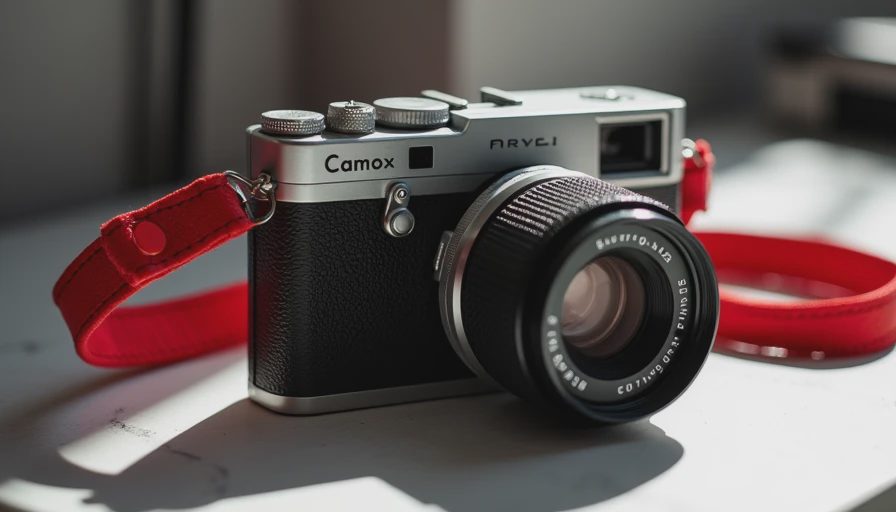
The Fujifilm X Half uses a fixed wide-normal lens with a field of view around 32mm in full-frame terms. That perspective is practical for street scenes, travel, food, pets, and quick family photos. It is wide enough for a coffee-shop table or a city sidewalk, but not so wide that faces look stretched at normal distances.
The tradeoff is obvious: you cannot zoom in or swap lenses. If you regularly photograph kids playing sports, wildlife across a park, or distant details on vacation, this camera will feel limiting within the first week. A phone with computational zoom can actually be more flexible in those situations. The Fujifilm X Half is better suited to a person who likes moving closer, framing deliberately, and accepting that some shots are simply not available.
That fixed lens also keeps the camera slim and approachable. There is no lens decision every time you leave the house. You grab it, turn it on, and start looking. For daily carry, that simplicity is more valuable than a long specification sheet.
2. The charm is in the shooting process, not just the pictures
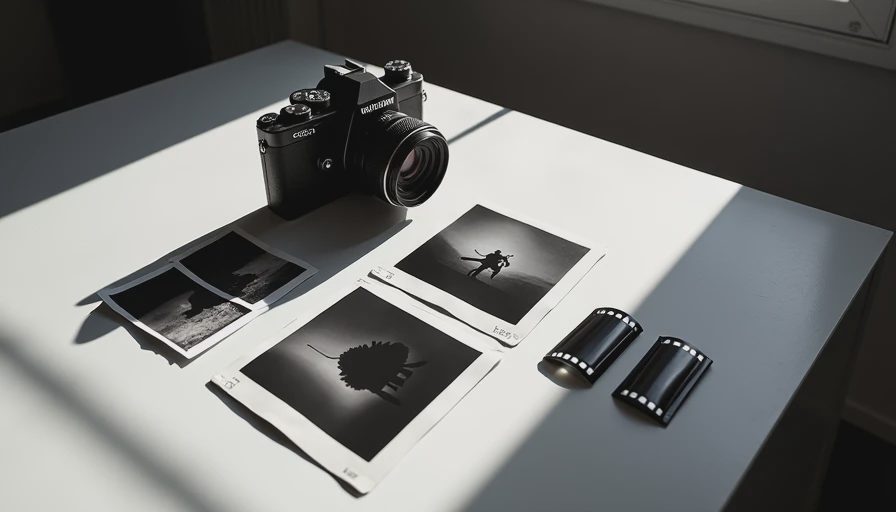
The Fujifilm X Half borrows visual ideas from half-frame film cameras, including a vertical-first composition and a design that encourages you to think about individual frames. Its film simulations and built-in flash add to that sense of occasion. You can choose a look before taking the photo instead of opening an editing app while waiting in line for tacos.
This is where the spec sheet stops helping. The camera is not competing with a modern phone on convenience. Your phone wins when you need instant sharing, automatic HDR, portrait blur, or a picture of a dimly lit toddler who refuses to stop moving. The Fujifilm X Half competes by making photography feel like an activity again.
That distinction matters. If you enjoy slowing down, noticing light, and collecting small moments from ordinary days, the experience can be worth more than a technically cleaner phone image. If you want every photo corrected automatically, the novelty could fade quickly. Buy the version of the product you will still like after the excitement wears off, not the version that looks exciting in a launch video.
3. The image quality is useful, but do not expect interchangeable-lens magic
The Fujifilm X Half has a smaller sensor than Fujifilm’s X-series interchangeable-lens cameras. In bright daylight, that is not a major concern. Street scenes, travel snapshots, backyard gatherings, and desk photos should look sharp and colorful, especially when you use Fujifilm’s well-known film simulation options.
Low light is the more important compromise. A larger-sensor camera such as the Fujifilm X-T30 II or X-S20 gives you more flexibility with noise, background separation, and lens choice. Those cameras also demand more money and attention once you add a lens. The X Half is not trying to win that comparison; it is trying to be small enough to bring along.
For many buyers, the practical result will be better than owning a technically superior camera that stays at home. A compact camera in your pocket can capture a Saturday walk, a child’s funny expression, or a rainy window when the larger camera is sitting in a closet. That is a real advantage, even if it does not show up in a sensor-size chart.
Is the Fujifilm X Half worth the asking price?
The Fujifilm X Half sits in an awkward but interesting price range. At roughly $800 at launch, it costs far more than a basic point-and-shoot and competes with used mirrorless cameras that offer larger sensors and interchangeable lenses. It also costs less than many enthusiast compact cameras, which makes the comparison less simple than “expensive versus cheap.”
The Fujifilm X Half is easier to justify if you value design, portability, film simulations, and a low-friction shooting routine. It is harder to justify if you are buying only for image quality. A used Fujifilm X-T30 with a compact prime lens can provide more photographic range. A current phone can provide faster sharing and stronger automatic processing. Neither alternative delivers exactly the same tactile experience.
Think about your actual spending pattern. If you already own a good phone and a camera that rarely leaves home, the X Half could fill a useful gap. If you are hoping it will replace a travel zoom, family camera, and serious portrait setup at once, the fixed lens will eventually frustrate you.
Who should buy it, and who should skip it?
Buy the Fujifilm X Half if you want a small everyday camera with a distinct personality. It fits a commuter who likes documenting city walks, a parent who wants more intentional family photos, or a traveler who prefers a single lightweight setup. It is especially appealing if you enjoy composing in a vertical format and want photos that look finished without spending an hour editing.
Skip the Fujifilm X Half if your priority is maximum value per dollar, long-range flexibility, or reliable low-light performance. A used mirrorless body may serve you better. If sharing pictures immediately is central to your routine, your phone will remain the more convenient tool. Good product, wrong buyer is still the wrong purchase.
Before ordering, hold a compact camera if possible and test the lens perspective indoors. Stand several feet from a person, photograph a table, and imagine using it in a crowded restaurant. That quick exercise reveals more than reading another twenty camera reviews.
My practical buying call
If I were buying this for myself today, I would choose the Fujifilm X Half only as a dedicated carry-everywhere camera, not as my only camera. I would want the experience: the compact body, the fixed perspective, the film-style controls, and the gentle push toward taking fewer but more considered pictures.
I would also wait for a sale or look at reputable used inventory rather than treating the launch price as sacred. A discount of $50 to $100 changes the value calculation, especially when the camera’s limitations are permanent. Budget separately for a spare battery, a small wrist strap, and a protective case; those accessories make daily use easier without turning the setup into a backpack project.
The Fujifilm X Half is not the most rational camera on paper. That is partly the point. It is a lifestyle tool for someone who wants photography to feel different from phone photography. If that sounds like your kind of friction, it could become the camera you actually carry. If not, save the money and use the phone already in your pocket.
No comments yet — be the first to share a thought.