Buying home safe safes sounds simple until you are comparing fire ratings, steel thickness, lock types, and interior dimensions at 10:45 p.m. The useful question is not which safe looks most serious in a product photo. It is what you need to protect, how long you need protection to last, and whether you will actually use the safe every week.
A small lockbox can be perfectly sensible for passports and a few documents. It can also be a frustrating waste of money if you expect it to stop a determined burglar. Before you spend $50, $300, or more than $1,000, focus on these three things: the threat, the construction, and the location.
1. Decide what problem the safe must solve
Start with the contents, not the safe itself. Paper documents, jewelry, firearms, medication, backup drives, cash, and sentimental items have different protection needs. A fire-resistant document safe is designed around heat and smoke. A burglary-resistant safe is built around forced entry. Those goals overlap, but they are not interchangeable.
For passports, birth certificates, insurance records, and a small emergency fund, home safe safes in the $60 to $180 range can be practical. Look for a water-resistant seal, a stated fire rating, and enough room to store folders without bending them. A portable cash box is not a substitute for this type of protection; it is mainly a basic access-control container.
If the contents are expensive, irreplaceable, or dangerous in the wrong hands, move up to a heavier safe. A 100- to 300-pound floor or fire safe is harder to carry away than a five-pound box. That matters because a burglar may not need to defeat the lock in your house. They can simply take the container and work on it elsewhere.
2. Read the ratings without getting hypnotized by them
Safe labels often sound impressive, but the details matter. A fire rating such as 30 minutes at a stated temperature tells you more than vague language like “fireproof.” It does not mean the contents are protected from every house fire or that the safe is waterproof. Paper, digital media, and photographs also tolerate heat differently, so choose a safe intended for the most sensitive item inside.
Burglary ratings deserve similar attention. Brands such as SentrySafe, Honeywell, Yale, and First Alert offer a wide range of basic residential products, while heavier security-focused manufacturers sell safes with thicker bodies, better door construction, and certified burglary ratings. A keypad and a thick-looking door do not automatically make a safe highly resistant to attack.
This is where the spec sheet stops helping unless you translate it into daily life. A $90 safe with a keypad might keep children away from cash and documents. It is not necessarily the right choice for $15,000 in jewelry. A $700 safe with a serious steel body may be better for valuables, but it will be heavier, harder to install, and less convenient to move during a remodel.
When comparing home safe safes, look for a real manufacturer rating, the safe's weight, bolt size, hinge protection, and mounting instructions. If a listing only repeats “secure” and “fireproof” without test details, treat that as marketing rather than evidence.
3. Choose the lock you will not resent
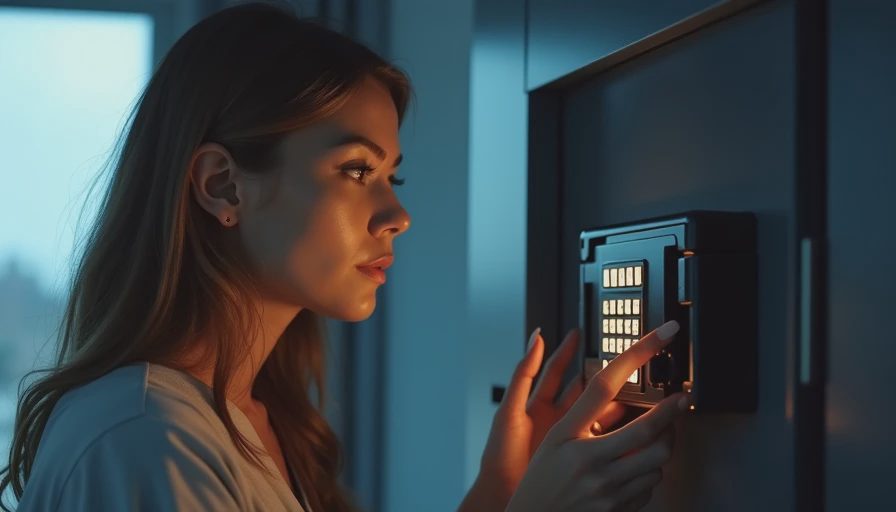
Electronic keypads are convenient. Enter a code, open the door, and avoid searching for a key while holding a sleeping child or a stack of paperwork. Good models often run on standard AA batteries and provide low-battery warnings. The downside is maintenance: batteries eventually die, buttons wear, and a forgotten code can turn a quick errand into a manual override situation.
Mechanical combination locks do not depend on batteries, but they require more deliberate dialing. They can be excellent for a safe that is opened occasionally, especially when reliability matters more than speed. Key locks are straightforward, though the key becomes a security problem if it lives in the desk drawer beside the safe.
Biometric fingerprint readers sound like the obvious upgrade, but they are not magic. Dust, moisture, a cut finger, or an inconsistent sensor can cause failed scans. I would favor a keypad with a backup key or a dependable mechanical dial over a bargain fingerprint reader, unless fast one-handed access is genuinely important.
The best lock for home safe safes is the one that matches your routine. If you open the safe twice a year, mechanical simplicity has appeal. If you access medication or emergency cash regularly, quick entry and a visible low-battery warning matter more.
Where to put the safe matters more than most upgrades
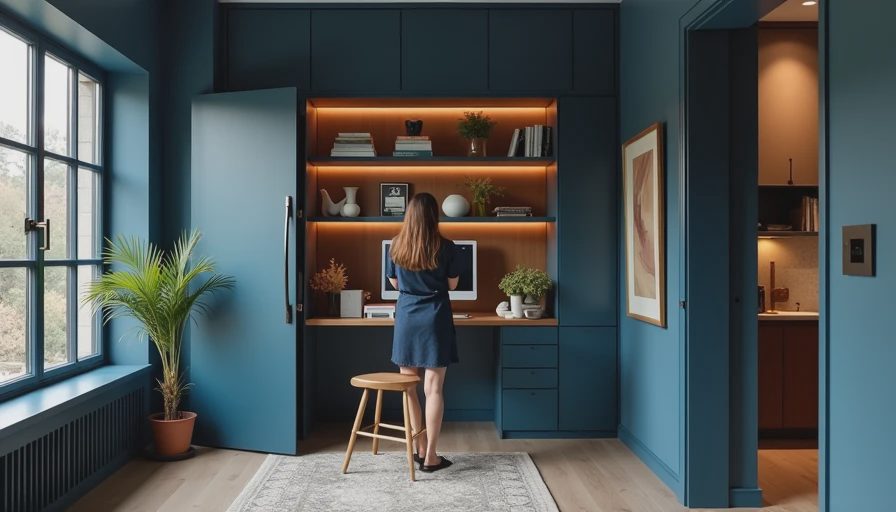
A safe hidden in a bedroom closet is convenient, which is precisely why it is one of the first places someone might look. A basement corner can be less obvious, but moisture and flooding create a different risk. Avoid locations near plumbing, water heaters, and windows where temperature swings or leaks are common.
Most importantly, anchor the safe. Use the supplied bolts when the floor or wall structure supports them, and follow the installation directions rather than improvising with drywall anchors. For a heavier model, confirm that the floor can handle the load and that you can get the safe through doors and around stair corners before delivery. A 250-pound safe becomes a very unfun hallway project very quickly.
Do not advertise it with a dramatic wall cutout or a cabinet that screams “valuable stuff inside.” Discretion, anchoring, and sensible placement often provide more practical security than paying for a flashy finish.
A simple buying plan by budget
Under $100, buy a compact lockbox or document safe for basic organization and privacy. Expect limited burglary resistance. This is a good fit for a renter storing passports, spare keys, and a small amount of cash.
From $150 to $500, you can find better fire protection, stronger bolts, larger interiors, and mounting hardware. This range makes sense for many households protecting documents, backup drives, and modest valuables. Check the interior dimensions carefully; exterior measurements can make a safe appear much roomier than it is.
Above $500, prioritize weight, construction, certified ratings, and professional delivery or installation. A Liberty, AMSEC, or similar security-oriented model can make sense when the contents justify the cost. Still, do not buy a giant safe for a few folders. Empty capacity is an expensive form of clutter.
For most buyers, home safe safes should be judged by the replacement cost of what they protect, not by how imposing they look. Spending $250 to protect documents and a few important items can be reasonable. Spending $900 on a safe while leaving it unanchored is a less convincing decision.
The three-minute final checklist
Before ordering, measure the intended space, including door swing and clearance. List every item that must fit, then add room for one future folder or small pouch. Verify the fire rating and whether it is intended for paper, digital media, or both. Read the warranty and understand how lost keys, dead batteries, and lockouts are handled.
Then check the weight and mounting method. Review independent customer photos for bent doors, poor keypad alignment, or misleading interior size. Compare delivery costs, because curbside delivery for a heavy safe may leave you with the hardest part of the purchase.
The right home safe safes purchase is rarely the biggest or most expensive option. It is a model with honest protection claims, a lock you can operate, enough usable space, and a location that makes removal difficult. Buy the version you will still like after the excitement wears off—and after the first emergency folder actually needs to fit.
No comments yet — be the first to share a thought.