
The Panasonic Lumix GX85 is one of those cameras that looks more interesting after the excitement of newer releases wears off. It is small, affordable on the used market, and capable of taking excellent photos without making you carry a DSLR-sized brick. But it is not automatically the right choice. Before you buy, three things matter most: the shooting experience, the limits of its video and autofocus, and the total cost once lenses and accessories join the party.
1. The Panasonic Lumix GX85 is still excellent for everyday photos
The biggest reason to consider the Panasonic Lumix GX85 is simple: it makes normal photography enjoyable. The Micro Four Thirds sensor produces sharp, detailed images in good daylight, and the camera's physical controls are much more satisfying than tapping through a phone app. You get a real mode dial, exposure controls, a tilting touchscreen, and an electronic viewfinder for bright outdoor scenes.
That combination works well for family photos, travel, street photography, food, pets, and weekend walks. The body is compact enough to fit in a small shoulder bag, especially with a pancake lens such as Panasonic's 20mm f/1.7 or a compact 12-32mm zoom. It is not pocketable in the same way as a phone, but it is far easier to bring along than a full-size mirrorless camera with a large zoom attached.
The in-body image stabilization is another practical advantage. It helps reduce blur from your own hand movement, particularly when photographing still subjects indoors or at dusk. It cannot freeze a running child, but it can make a dim restaurant or living room photo more usable. That is the kind of feature that matters after the first week, when you are no longer admiring the camera and are simply trying to get the shot.
2. Know where the Panasonic Lumix GX85 starts to show its age
The Panasonic Lumix GX85 launched years ago, and its weaknesses are mostly about speed rather than image quality. Its contrast-detect autofocus is generally fine for still subjects, but it is less dependable for tracking a child, an active pet, or a subject moving toward the camera. Newer cameras from Sony, Canon, and Panasonic have made continuous autofocus more convincing.
The electronic viewfinder is also small by current standards. It works, but users who wear glasses or compose carefully may find it cramped. The rear screen tilts but does not fully articulate, so it is less convenient for self-recording, high-angle shooting, or filming yourself at a desk. There is no built-in microphone jack either, which makes the camera a weaker choice for serious video work.
Battery life is acceptable rather than impressive. For a full afternoon, I would carry at least one spare battery and a reliable charger. Used listings sometimes include a third-party battery, but quality can be inconsistent. A genuine Panasonic battery costs more, yet it is a sensible addition if you plan to travel or photograph an event.
This is where the spec sheet stops helping. The Panasonic Lumix GX85 can record 4K video, but resolution alone does not make it a modern video camera. Autofocus behavior, audio input, screen movement, and heat management all shape the experience. For occasional clips, it is capable. For a YouTube setup or paid video work, look elsewhere.
3. The lens is the decision, not just the camera body
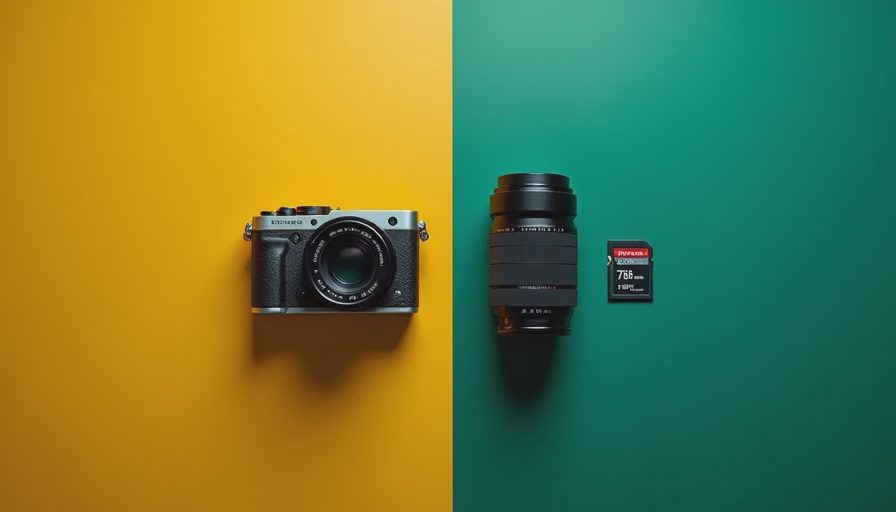
A common buying mistake is finding a cheap Panasonic Lumix GX85 body and assuming the deal is finished. The lens determines what the camera feels like to use. A body-only listing might look attractive at $250, but adding a decent lens can push the real cost above $400.
For a flexible starter setup, the 12-32mm kit zoom is hard to criticize. It is tiny, stabilized, and useful for travel, landscapes, gatherings, and casual portraits. Its small maximum aperture is less helpful indoors, but the camera's stabilization offsets some of that problem for still subjects.
If you want better low-light photos and softer backgrounds, consider the Panasonic 20mm f/1.7, Olympus 17mm f/1.8, or Panasonic 25mm f/1.7. The 25mm is often one of the least expensive ways to get a bright normal-angle lens. For portraits, an Olympus 45mm f/1.8 can be a strong value, although it gives you a narrower field of view indoors.
Micro Four Thirds has a large used lens ecosystem, including Panasonic, Olympus, Sigma, and several third-party options. That is good news for buyers on a budget. It also creates temptation to keep buying accessories until the affordable camera is no longer affordable. Set a lens budget before browsing listings.

What it feels like in real life
The Panasonic Lumix GX85 is at its best when you want a camera that encourages deliberate photos without demanding a photography hobby. Put a small prime lens on it, turn the mode dial to aperture priority, and it becomes a pleasant everyday tool. The grip is modest, the controls are approachable, and the body does not draw much attention in a cafe or on a sidewalk.
It is less pleasant when you are photographing fast action. A soccer game, running dog, or unpredictable toddler can produce missed focus, especially if you expect the camera to behave like a current premium mirrorless model. You can improve results with practice, single-point autofocus, and sensible shutter speeds, but technique cannot erase the age of the autofocus system.
The camera also lacks some convenience features buyers now take for granted. Wireless transfer works, but the phone connection experience is not always as seamless as modern systems. The screen is not designed for easy vertical video, and the small body can feel cramped with larger lenses. Those are manageable compromises for a compact setup, not hidden flaws to discover after purchase.
Used pricing and what to inspect
Prices change with condition, included lenses, and local demand, but a clean used body commonly makes sense somewhere around the mid-$200s to mid-$300s. A kit including the 12-32mm lens can reasonably cost more. If a listing is unusually cheap, inspect it carefully rather than celebrating immediately.
Check the sensor for marks, the screen for scratches, and the rubber grip for lifting edges. Test every dial and button, including the touchscreen and electronic viewfinder. Take several photos at different shutter speeds. Confirm that the lens zooms smoothly, the image stabilization activates, the battery door closes securely, and the charger is included if the seller promised one.
Ask about shutter count, but do not treat it as the only measure of condition. A camera with moderate use and careful storage can be a better purchase than one with a low count that has been dropped or stored in a damp bag. Buying from a retailer with a return window is worth paying a little extra for, particularly if you are new to used gear.
Who should buy it, and who should skip it
Buy the Panasonic Lumix GX85 if you want a small interchangeable-lens camera for travel, family photos, street scenes, and learning manual controls. It is especially appealing when you find a complete kit with a useful lens at a sensible price. The image quality remains good enough that the camera itself will not be the reason your photos disappoint you.
Skip it if dependable subject tracking, modern vlogging features, a fully articulating screen, or strong in-camera microphones are central to your plan. Buyers focused on fast action should compare newer Sony, Canon, or Panasonic models before committing. Also skip a body-only bargain if your actual budget cannot cover a lens, spare battery, memory card, and carrying solution.
If I were buying this for myself today, I would look for a clean Panasonic Lumix GX85 with the 12-32mm kit zoom, then add one bright prime only after using the camera for a month. That keeps the initial spend controlled and reveals what you actually photograph. Good product, wrong buyer is still the wrong purchase. Buy the version you will still like after the excitement wears off.


No comments yet — be the first to share a thought.