A ring stick up camera and solar panel setup sounds like the easy answer to outdoor security: mount the camera, point the panel at the sun, and stop thinking about batteries. That is mostly the idea, but the details decide whether this becomes a genuinely low-maintenance setup or an expensive gadget that still needs ladder duty every few weeks.
I would focus on three things before ordering: exact camera compatibility, usable sunlight at the mounting location, and what happens during long stretches of bad weather. Those questions matter more than a dramatic night-vision demo or another page of app features. Buy the version you will still like after the excitement wears off.
1. Confirm the camera and panel match
The first mistake is assuming every Ring Stick Up Cam uses the same solar accessory. Ring has sold several generations and versions, including battery, plug-in, Elite, Pro, and bundled solar models. A panel designed for one connector or mounting arrangement may not be the right fit for another camera. Before buying, open the camera listing or Ring’s compatibility information and match the complete model name, not just the words Stick Up Cam.
The ring stick up camera and solar panel combination is usually intended for a battery-powered outdoor camera. The panel provides supplemental charging while the camera remains installed, rather than turning the device into a completely separate hardwired security system. Connector type matters, and so does the included bracket. A panel with the wrong cable can be useless even if it appears to have enough power on paper.
Also check whether you are buying a standalone camera, a solar bundle, or an accessory for a camera you already own. A bundled kit can be convenient, but compare its price with buying the camera and panel separately. During sales, the difference might be $20 to $50. At full retail, the bundle is not automatically the better deal.
2. Sunlight beats marketing language
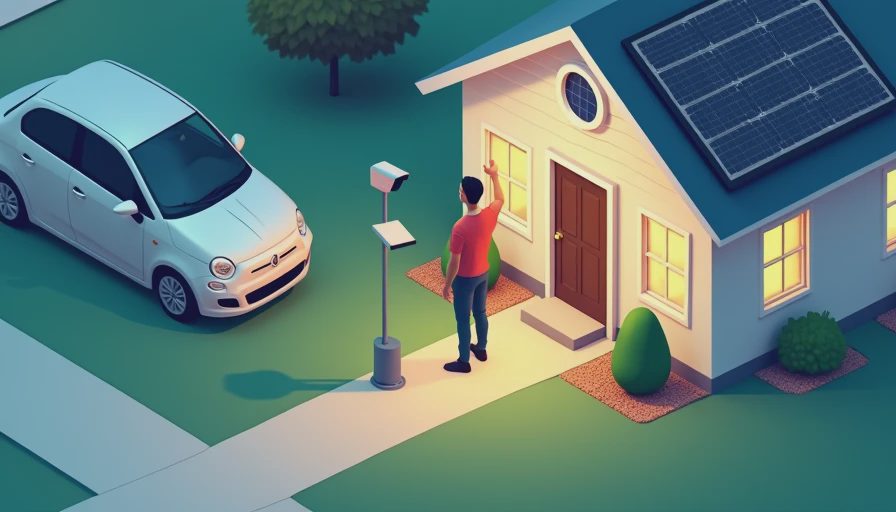
Solar accessories work best when the panel receives several hours of direct sunlight. That does not mean bright daylight under every condition. A panel mounted beneath a covered porch, behind a leafy tree, or on the north-facing side of a house may receive enough light to slow battery drain but not enough to keep the battery full.
This is where the spec sheet stops helping. Walk outside at the proposed mounting spot and look at it during the day. A south-, southeast-, or southwest-facing location often has more useful exposure in the United States, but nearby walls, rooflines, trees, and seasonal shadows can change the result. A spot that looks sunny in July may sit in shade after the sun moves lower in winter.
The panel also needs a sensible angle. Mounting it flat against a wall can work, but an adjustable bracket makes it easier to aim toward the strongest available light. Keep the camera’s viewing angle separate from the panel’s ideal angle; the camera may need to face a driveway while the panel works better pointed slightly upward or sideways.
A ring stick up camera and solar panel installed in partial shade can still be worthwhile if your goal is longer battery life. It is not a magic promise that the battery will never fall. Heavy motion activity, frequent Live View use, cold weather, and weak winter sunlight can consume power faster than the panel replaces it.
3. Understand battery behavior and maintenance
A solar panel generally reduces the number of times you remove and recharge the camera battery. It does not erase every maintenance task. Motion alerts, video quality, Wi-Fi strength, and temperature all influence energy use. A camera aimed at a busy sidewalk may record far more events than one watching a quiet backyard, even if both panels receive identical sunlight.
That is why placement matters twice. Put the camera where it captures the area you actually care about, but avoid pointing it at moving branches, a busy street, or a reflective surface that creates endless alerts. Fewer unnecessary recordings mean less battery demand and a more dependable security routine.
Plan for an occasional manual check in the Ring app. Look at the battery level, confirm that the camera is online, and review whether motion events have suddenly increased. If the level keeps dropping, clean dust or pollen from the panel, inspect the cable, and compare the panel’s current sunlight with what it received when installed. In Austin summer heat, for example, pollen and dust can build up faster than many owners expect.
The ring stick up camera and solar panel setup is most useful when it turns a monthly charging chore into a seasonal check. If the camera is mounted above a second-story garage, that difference is meaningful. If the camera is on a low fence within easy reach, a spare battery might be the cheaper and simpler answer.

Is the solar upgrade worth the money?
The answer depends on the location and your tolerance for small chores. A Ring solar panel commonly costs less than a premium outdoor camera upgrade, but the total price still includes the camera, mounting hardware, and possibly a spare battery. If you already own a compatible Stick Up Cam and regularly forget to charge it, adding the panel can solve a real annoyance.
If you are starting from zero, compare three practical setups. A battery camera with a solar panel costs more upfront but can reduce routine charging. A battery camera with a spare battery costs less in some sales and gives you a fast swap when the first battery is empty. A plug-in camera is usually the most consistent option if an outdoor-rated outlet is nearby, though cable routing can be the uglier part of the installation.
The ring stick up camera and solar panel pairing makes the strongest case for garages, side yards, detached sheds, and other locations where running power would require drilling or hiring an electrician. It is a weaker choice for a shaded porch or a camera facing heavy traffic all day. In those spots, either a larger charging margin or a wired model may be less frustrating.
A simple buying and installation check
Before placing the order, write down the exact camera model and compare it with the panel’s compatibility list. Measure the approximate distance between the camera and the best sunny mounting spot. Check whether the supplied cable reaches without being stretched, pinched, or left hanging where rain can collect. Confirm that the mounting surface can hold the hardware securely.
After installation, test the live view from the actual areas you want to monitor. Walk through the driveway, gate, or back door and see whether the camera catches a face rather than just the top of someone’s head. Adjust motion zones so the camera is not spending its battery on every passing car. Then give the system several days before deciding whether the panel is doing enough; one cloudy afternoon is not a useful verdict.
If I were buying this for myself today, I would choose the solar setup for a compatible battery camera in a genuinely sunny, hard-to-reach location. I would skip it for a shaded mount, a high-traffic view, or a spot where a weather-protected outlet already exists. The right ring stick up camera and solar panel setup is not the flashiest security purchase. It is the one that quietly removes a recurring annoyance without creating a new installation headache.

No comments yet — be the first to share a thought.