
The sennheiser hd560s is a smart buy for someone who listens at a quiet desk and wants clear, balanced sound without paying for wireless features. It is a poor fit for a shared office, a commute, or anyone who needs a microphone built in. The three things that actually matter are its open-back design, its revealing sound, and the practical realities of using a wired headphone.
If privacy matters more than an airy presentation, look at the closed-back Audio-Technica ATH-M50x. If you want wireless convenience and noise cancellation for travel, consider the Sony WH-1000XM series. For another open-back option at a desk, the Philips SHP9600 is worth comparing, especially if price is the deciding factor. These are different tools, not automatic upgrades.
1. Open backs sound spacious, but everyone shares the room
The sennheiser hd560s has open earcups, which allow sound to pass through the back of the headphones. That design can make music feel less boxed in than it does on some closed-back models. It also lets outside noise in and lets some of your audio out.
That trade-off matters more than any spec sheet. At a quiet desk after bedtime, the open design can be appealing. At the kitchen table while someone else is watching TV, you will hear the TV, and the other person may hear your music. It is not a privacy device, and it does not have active noise cancellation.
How disruptive the leakage is depends on your listening volume and how close other people are. If your desk is next to a sleeping child or a partner on calls, I would choose a closed-back pair instead. The extra sense of space is not worth turning every listening session into a household negotiation.
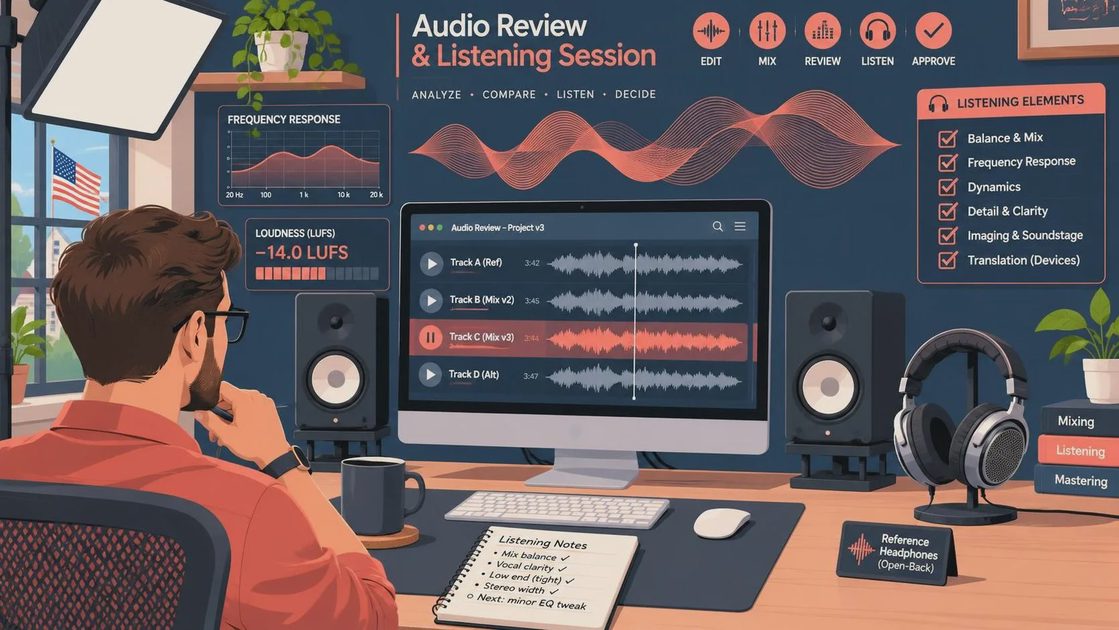
Open backs also mean the headphones are not a great match for airplanes, coffee shops, or other noisy spaces. You can raise the volume to compete, but that is an uncomfortable solution and can put your hearing at risk. For a mixed home-and-travel setup, wireless noise-canceling headphones may be the more useful single purchase.
2. The sound favors detail over a bass massage
The sennheiser hd560s is generally known for a relatively neutral, clear presentation. Vocals and instruments are easy to follow, and it can reveal details in a recording that get lost on bass-heavy headphones. That makes it a sensible choice for music, games, and casual audio editing when you want to hear what is going on rather than add a big dose of warmth.
The catch is that clear does not mean flattering. Bright recordings can sound sharp to some listeners, and people used to boosted bass may find the low end less exciting. There is bass, but this is not the pair I would pick for someone whose main goal is a heavy, club-like thump.
For games, the open presentation can help create a sense of space, but do not expect headphones alone to turn you into a better player. The game, its audio settings, and your own hearing all matter. You will also need a separate microphone for voice chat.
Comfort is personal, too. The over-ear design gives your ears room inside the cups, but head shape, glasses, and sensitivity to clamping force can change the experience. A generous return policy is more useful here than a stranger's promise that the fit is perfect. Try them through a full work session, not just one song.
3. Check your connections before paying for extras
The sennheiser hd560s is wired, so there is no battery to charge and no Bluetooth pairing to troubleshoot. You do, however, need a compatible headphone output. A phone without a headphone jack needs a suitable USB-C or Lightning audio adapter, depending on the phone. Check the adapter supports headphone audio; a connector that physically fits is not enough.
A laptop or desktop headphone jack may work well, but available volume varies by device. Start with the source you already own before buying an external amplifier. If you cannot reach a comfortable level, or you hear obvious noise from the jack, an external USB audio device may help. An expensive amplifier is not a prerequisite for enjoying these headphones.
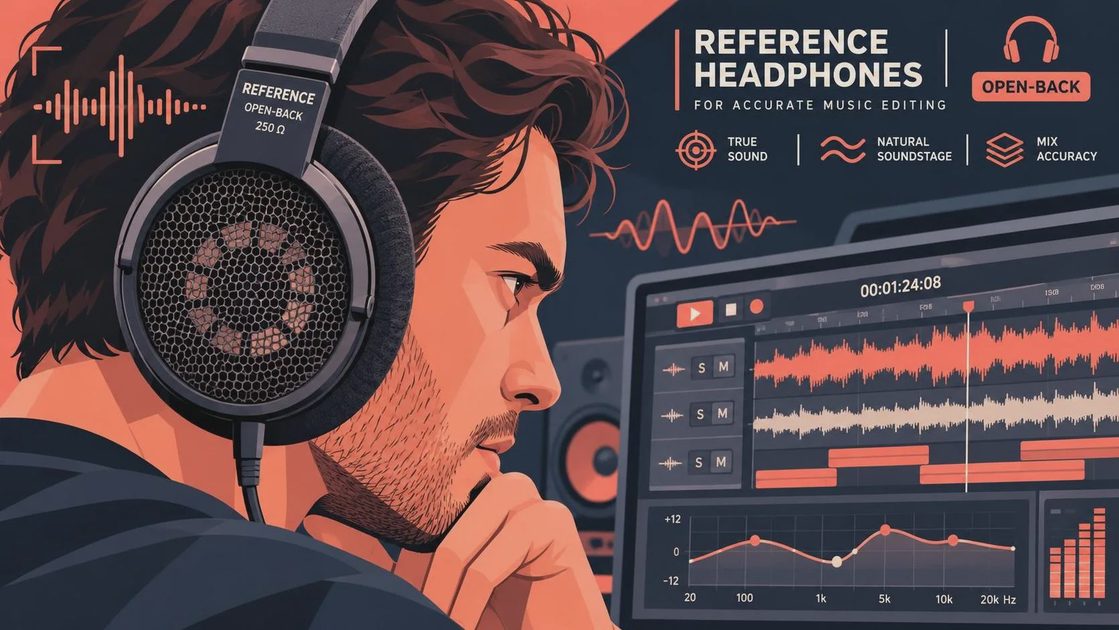
The cable and plug arrangement can also affect desk convenience. Check the seller's listing for the included cable and adapter, since package details can vary. Think about whether the cord will reach your computer without crossing your keyboard or pulling when you stand up. If you plan to replace it, confirm compatibility with this model rather than assuming any headphone cable will fit.
For work calls, budget for a separate microphone or use the one already built into your laptop. The sennheiser hd560s is a listening-first purchase, not an all-in-one meeting headset. If your day is mostly video calls, a headset with a boom mic and a convenient mute button may solve the actual problem better.
Is it worth the money?
I would choose the sennheiser hd560s for a quiet home desk where music, gaming, or focused listening matters more than portability. Its wired, open-back design is a deliberate set of compromises, and that is fine when those compromises match your day.
I would skip it if you need isolation, wireless freedom, or an integrated microphone. The Audio-Technica ATH-M50x is a more relevant comparison for a wired, closed-back setup, though it has a different sound and does not offer active noise cancellation. The Sony WH-1000XM line is more suited to travel and calls, with batteries and wireless features adding a different kind of complexity.
Prices and discounts change, so compare the total cost: headphones, any necessary adapter, and a microphone if you need one. If a return costs money, factor that in too. Buy the version of the product you will still like after the excitement wears off—and after everyone else in the room has had a chance to object.



No comments yet — be the first to share a thought.