The canon powershot v1 digital camera is aimed at people who want better-looking video and photos without carrying a full interchangeable-lens setup. That sounds straightforward until you see the price, fixed lens, and growing pile of alternatives. This is not a camera for everyone. It is a focused tool for creators, parents, travelers, and anyone who wants a simple camera that can handle talking-head video, family moments, and everyday carry without becoming a second job.
If I were buying this for myself today, I would start with three questions: Do I need a dedicated video camera, will I actually use a fixed lens, and does the price fit the way I shoot? Those answers matter more than obsessing over every menu option. Buy the version you will still like after the excitement wears off.
1. What the PowerShot V1 is really for
The first thing that matters is purpose. The canon powershot v1 digital camera is built around convenience and content creation, not wildlife photography or serious lens experimentation. Its compact body, built-in lens, flip-out screen, microphone support, and video-oriented controls make it easier to record yourself than a traditional DSLR. You can place it on a small tripod, frame a desk video, and start recording without balancing a lens or navigating a complicated rig.
That simplicity is valuable in real life. A busy parent can record a birthday morning without pulling out a phone and fighting notifications. A small-business owner can make product clips at a kitchen table. A traveler can capture a walk through a city without carrying a camera bag that announces itself from three blocks away. The camera is most appealing when reducing friction means you will record more often.
The tradeoff is flexibility. A fixed lens cannot be swapped for a wide lens, portrait lens, or telephoto zoom. If your main subjects are distant sports, birds, or stage performances, this is probably a good product for the wrong buyer. A Sony ZV-E10 II or Canon EOS R50 gives you a larger upgrade path, though the body-and-lens combination can cost more and take more space.
2. The fixed lens changes the buying decision
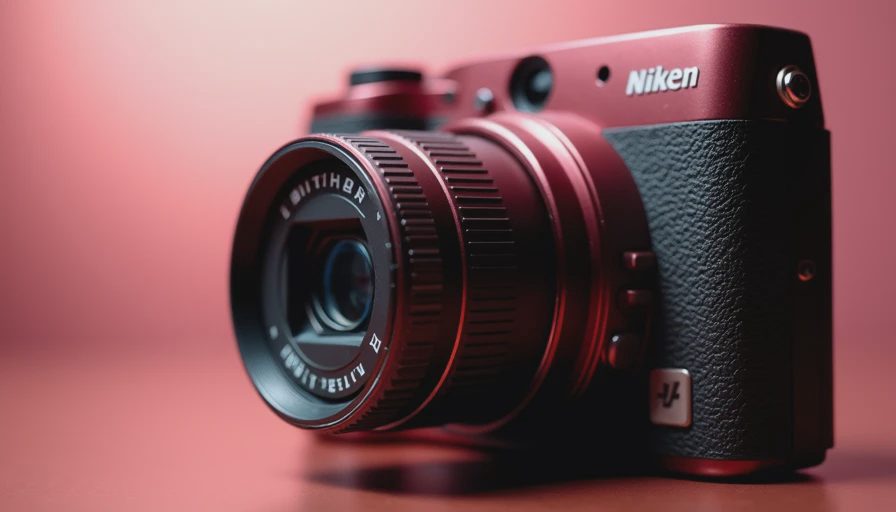
The second thing is the lens. The canon powershot v1 digital camera uses a built-in zoom designed to cover common video and everyday shooting situations. That is convenient, but “convenient” does not mean universally perfect. At the wide end, you can fit yourself and another person into a frame at arm’s length. At the longer end, you can tighten a shot for a face, a detail, or a product on a desk.
What you cannot do is transform the camera for a new assignment. An interchangeable lens camera can use a bright prime lens for softer backgrounds, a wide lens for cramped rooms, or a telephoto lens for a child’s soccer game. The fixed design keeps the PowerShot small and approachable, but it also locks in the camera’s personality.
Think about your usual distance from the subject. For a home office, hotel room, or kitchen counter, the built-in lens should be practical. For a large outdoor event, you may find yourself wishing for more reach. For portraits, the camera can produce attractive results, but it will not provide the same creative control as a larger sensor camera with a fast lens. This is where the spec sheet stops helping: the right focal range depends on where you stand.
A simple test helps. Measure the distance between your chair and the nearest wall, then imagine framing your face or a product from that position. If the camera’s normal wide-to-standard view fits your routine, the fixed lens is an advantage. If you are already planning accessories to correct the lens, reconsider the cheaper, more flexible alternative.
3. Video features only matter if they remove friction
The third thing is workflow. The canon powershot v1 digital camera makes the most sense for people who want a dedicated video setup without buying a cage, external monitor, and several accessories on day one. A flip screen helps with self-recording, a microphone input can improve audio, and a compact body is easier to position on a desk or tabletop tripod.
Still, a good video camera cannot rescue poor lighting or distant audio. A $40 to $100 microphone, a small LED light, and a stable tripod may improve your results more than a premium memory card or another camera body. If you record in a noisy room, put the microphone close to your mouth. If your face looks dull, move near a window or use a soft light. These are boring fixes, which is exactly why they work.
You should also budget for spare batteries, a compatible charger, and a fast memory card. Depending on the bundle and retailer, those extras can add roughly $75 to $200. A camera that appears affordable at checkout can become a very different purchase after accessories. The best setup is the one you can assemble and use on a Tuesday night, not the one that looks impressive in a gear photograph.
Who should buy it, and who should wait
The canon powershot v1 digital camera is a strong fit for a creator who values quick setup, a compact body, and dependable everyday framing. It also suits a family that wants better video than a phone provides but does not want to learn lenses, exposure modes, and camera maintenance. For casual travel, desk content, cooking demonstrations, and short-form videos, the all-in-one approach is the point.
It is less convincing for a hobby photographer who enjoys changing lenses. It is also a questionable choice for someone who mostly takes still photos and already owns a recent premium smartphone. Modern phones are easier to carry, instantly connected, and surprisingly capable in bright outdoor light. The dedicated camera earns its place when you want better handling, more deliberate shooting, cleaner audio options, or a less distracting recording experience.
If your budget is around $800 to $1,200, compare the complete system rather than the camera price alone. The PowerShot may win on simplicity. A Sony ZV-E10 II may win on lens flexibility. A Canon EOS R50 may win if still photography matters nearly as much as video. A used Canon G7 X Mark III can also be tempting, but condition, battery health, and seller reputation matter more with an older compact camera.
My practical buying checklist
Before ordering, write down the three situations you expect to shoot most. If they are desk videos, family clips, and travel scenes, a compact fixed-lens model has a logical place in your bag. If they are concerts, wildlife, and sports, look for reach and interchangeable lenses instead.
Next, decide whether you need 4K video or mostly use 1080p. Higher-resolution recording can provide more room to crop, but it also uses more storage and may create larger editing files. Make sure your computer and phone workflow can handle the footage without turning a five-minute clip into an evening project.
Finally, price the whole kit and check the return policy before buying. Test the grip, screen, autofocus, audio connection, and low-light results during the first few days. You want to know whether the camera is comfortable, not merely whether its menu includes an impressive feature list.
The bottom line
The canon powershot v1 digital camera is a sensible buy when your priority is a small, ready-to-use camera for video and everyday creative work. It is not the universal answer, and it is not a replacement for a flexible lens system. Its value comes from removing decisions: one body, one lens, a screen you can see, and fewer reasons to leave the camera at home.
If that sounds like your actual routine, it could be worth the money. If you are chasing long zoom reach, dramatic lens blur, or a long-term photography system, spend the budget elsewhere. Buy the version of the product you will still like after the excitement wears off.
No comments yet — be the first to share a thought.