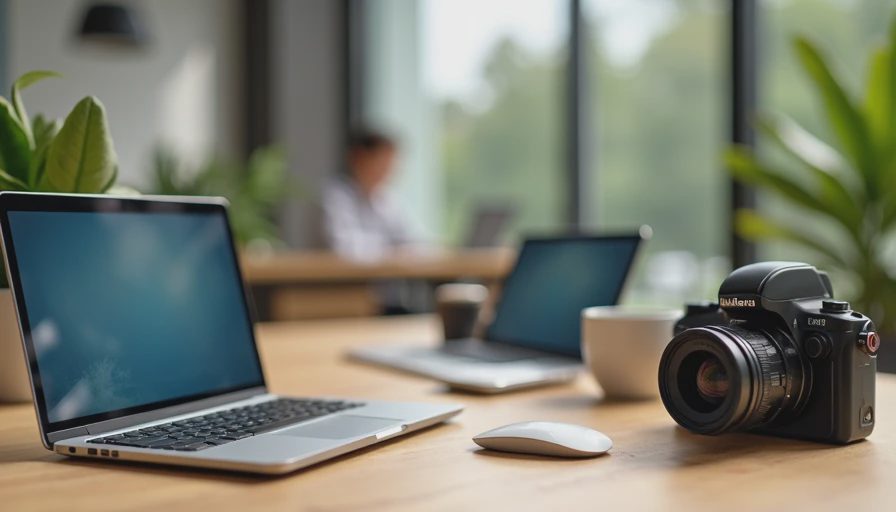
I’m Nolan. Saturdays are a useful filter. The schedule is looser, the environments change, and the gap between what looks good in a product photo and what actually helps becomes obvious. A normal Saturday here can include time at the desk, a walk or errand with the stroller, and a few hours at the grill. Each setting has its own constraints. Most gadgets fail at least one of them. The ones that survive all three are the ones worth keeping.
This is the informal test I run, whether I mean to or not.
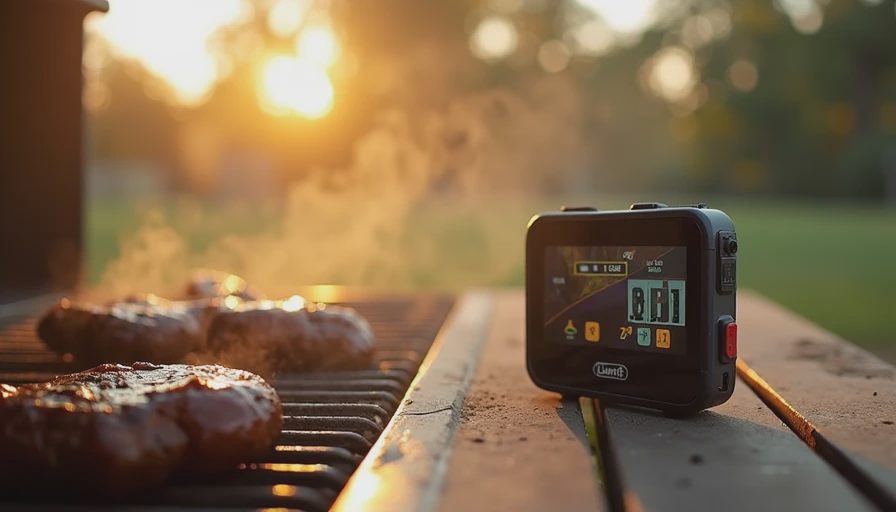
Next to the grill
Heat, smoke, limited counter space, one hand often occupied, and the need to stay present rather than manage devices. The bar is high and specific.
What belongs:
A compact, reliable portable fan that moves air across the person cooking without needing constant adjustment
A phone that can take a quick photo or timer check and then go back in a pocket
The same small flashlight that lives in the bag, useful when the evening runs long
What does not:
Anything with a delicate finish that will pick up grease or ash
Speakers that require setup or become another thing to monitor
Gadgets that demand clean hands or careful placement
The grill area rewards tools that tolerate heat, ignore a little mess, and do one job without conversation. Everything else stays inside.
In the stroller (or the bag that travels with it)
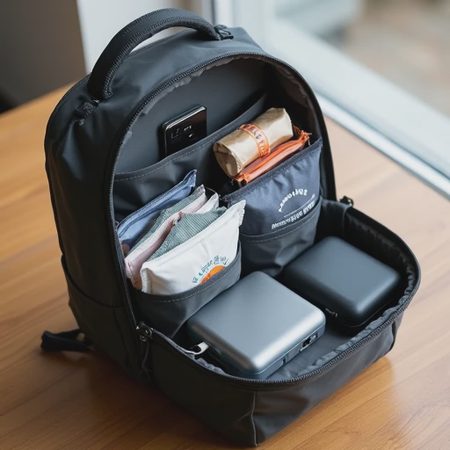
Movement, limited storage, one adult often managing multiple things, and the reality that anything carried will be jostled, set down, and picked up again. Weight and access matter more than features.
What belongs:
Wipes, a simple snack, and a small trash bag—the non-tech items that solve the highest-frequency problems
A compact power bank that can revive a phone without adding bulk
Earbuds in their case for the occasional call or short audio buffer
What does not:
Extra cables and adapters “just in case”
Larger battery packs that make the bag heavier than the benefit justifies
Devices that need a stable surface or both hands to operate
The stroller test is ruthless about bulk and about whether something is reachable while you are already carrying a child or a bag. If it only works when conditions are ideal, it does not belong.
On the desk
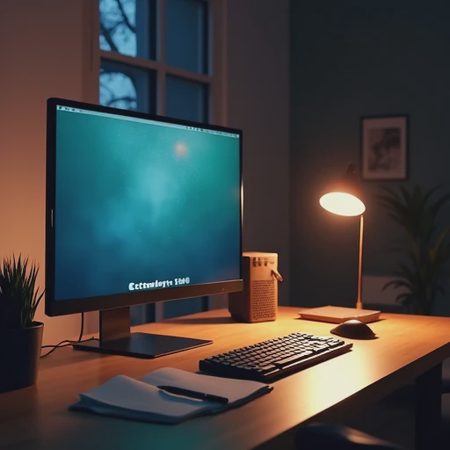
Evening focus time after Miles is asleep. Short window, shared house, the need to start quickly and stop without leaving a mess of open loops.
What belongs:
One monitor at a height that does not create neck strain
A quiet, compact keyboard that does not announce itself to the rest of the house
A single reliable charger within reach
The notebook that still gets the outline before any tabs open
What does not:
A second monitor that mostly collects tabs
Devices that require configuration or maintenance before they are useful
Anything whose main contribution is looking like a serious workstation
The desk test favors the smallest set of tools that let the work happen and then get out of the way. Complexity is expensive when the available time is already limited.
The pattern that keeps showing up
The products that pass more than one of these settings share a few traits:
They are ready without setup
They tolerate imperfect conditions (heat, movement, interruption, limited attention)
They solve a recurring friction rather than a theoretical one
They ask for very little ongoing management
The products that fail usually shine in a single controlled scenario and then become awkward everywhere else. A device that is excellent only at the desk has limited value in a life that is not lived only at the desk. The same is true for something designed for perfect travel conditions that falls apart on an ordinary Saturday.

The quiet standard
I no longer ask whether a product is good. I ask where it actually belongs and whether it still earns that place after the first couple of weeks. The Saturday rotation—desk, stroller or bag, grill—makes the answer harder to fake. Real use across different constraints is a better filter than any single review environment.
Most tech can be made to look essential in isolation. Very little remains essential once it has to share space with heat, a child, a short evening window, and a preference for fewer things to manage.
Buy the version of the product you’ll still like after the excitement wears off. Better yet, buy the version that still makes sense next to the grill, in the bag that travels with the stroller, and on the desk when the house is finally quiet. If it only works in one of those places, think carefully before giving it permanent space. The things that clear all three are rarer, and usually enough.

No comments yet — be the first to share a thought.