
The canon eos r3 is a serious camera for people who regularly photograph fast, unpredictable action. Its autofocus, high-speed shooting, and built-in vertical grip make sense for sports and wildlife work; its size and cost make much less sense for a family vacation. If I were buying for everyday photography, I’d look at the Canon EOS R6 Mark II first. For action shooters who want a smaller body, the Canon EOS R5 Mark II is worth comparing. And if the budget is tighter, the Canon EOS R7 offers an appealing route into wildlife photography, with a smaller sensor and different low-light trade-offs.
The three things that actually matter: whether you need its speed, whether its 24-megapixel files suit your work, and whether you want to carry a camera this big. Nail those decisions before getting lost in the menu system.
1. Its speed is useful when the moment won’t wait
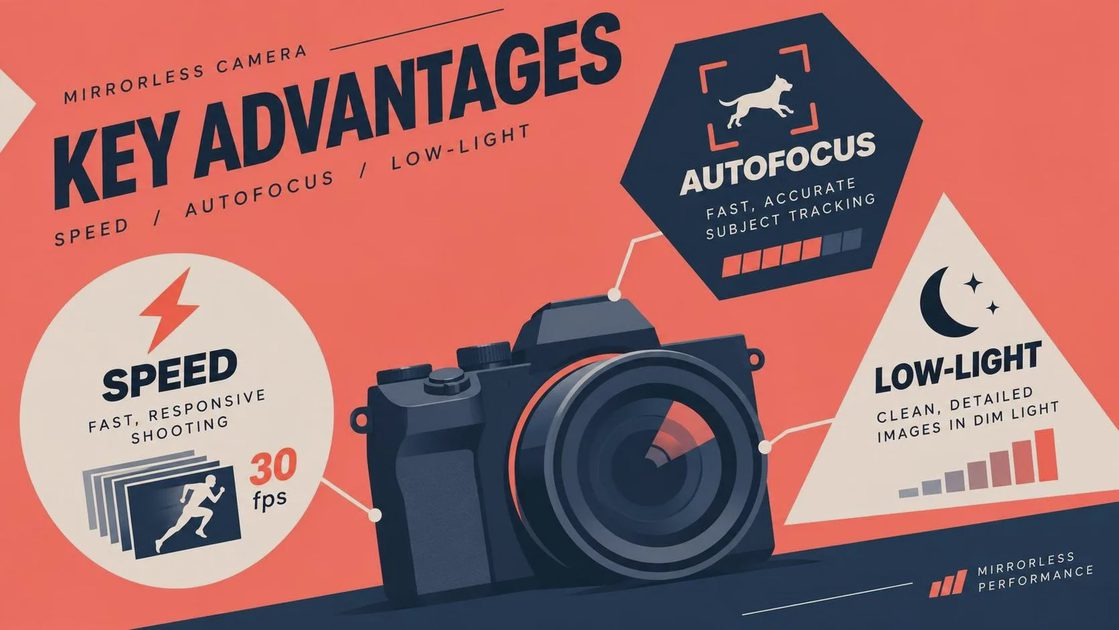
The canon eos r3 is built around a stacked full-frame sensor and a sophisticated subject-tracking autofocus system. In plain English, it’s designed to keep up when an athlete changes direction or a bird moves across the frame. It can shoot at up to 30 frames per second with its electronic shutter under suitable conditions, though actual speed depends on settings and circumstances.
That speed is not a guarantee of a great photograph. You still need to anticipate the action, choose a suitable shutter speed, and use a lens that reaches your subject. But it can give a working photographer more chances to catch a fleeting expression or a precise moment of contact.
The camera also offers eye control autofocus, which can move the autofocus starting point based on where you look in the viewfinder after calibration. Think of it as an extra control option, not mind reading. Its usefulness can vary with the person and shooting conditions, so try it before treating it as the reason to buy.
For a kid’s soccer game a few weekends a year, this is probably more camera than you need. If missing the shot affects a paid assignment, the equation changes: handling and responsive controls can be worth paying for, especially over a long event.
2. The files are manageable, but cropping has limits
The canon eos r3 has a roughly 24-megapixel sensor. That is plenty of resolution for many professional deliveries, family albums, online galleries, and substantial prints. The upside is a more manageable volume of data than you’d get from a higher-resolution camera when you come home with hundreds of frames.
The catch is cropping. If a distant bird occupies a tiny corner of the frame, cutting away most of the image also discards most of those pixels. A higher-resolution body such as the EOS R5 Mark II gives you more room to crop, though it does not replace a suitable long lens or good positioning.
For video, the R3 can record 6K raw internally, along with other recording options. That’s useful if video is a real part of your work, but it can also mean larger files and a more demanding editing setup. Check the recording mode, card requirements, and workflow you actually intend to use rather than assuming the headline format is the one you’ll shoot every day.
The camera has one CFexpress Type B slot and one SD card slot. That flexibility is handy, but high-end cards add to the bill, especially if you plan to record demanding video formats or long bursts. Budget for storage and backup drives, not just the body.
3. The size is a feature—and a commitment
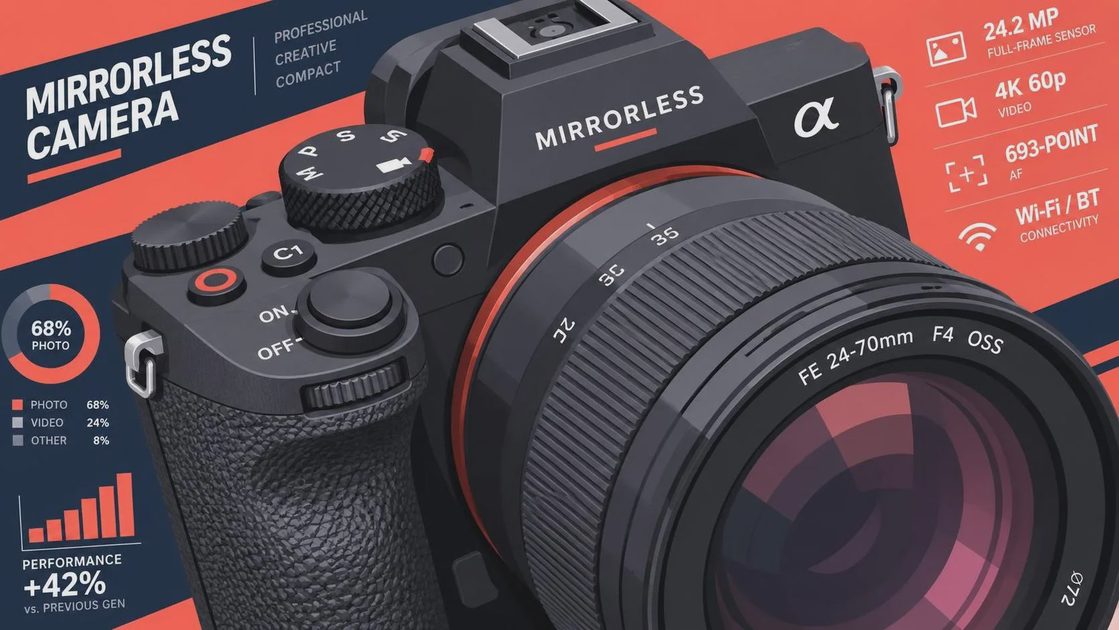
The built-in vertical grip gives the canon eos r3 a substantial, professional-style shape. It puts controls in a useful position when you rotate the camera for portraits and provides room for a large battery. For photographers who spend hours switching between horizontal and vertical frames, that can be a practical advantage rather than wasted bulk.
It also makes the camera harder to tuck into a small everyday bag. Add a telephoto lens, and a casual walk becomes a deliberate equipment decision. If your best camera is the one you’ll bring to the park without negotiating backpack space, a smaller body may produce more actual photographs.
Handling is personal, so pick one up with the lens you expect to use. Check whether you can reach the controls comfortably in both orientations and whether the combined weight feels reasonable after several minutes. A body that feels reassuring at a counter may feel less charming at the end of a long sideline.
The R3 is weather-sealed, but that is not a promise that every lens and accessory attached to it is equally protected. Check the full setup and avoid treating rain resistance as permission to ignore water entirely.
Which alternative makes more sense?
The EOS R6 Mark II is the more sensible starting point for many buyers who want a capable full-frame camera for family, events, and occasional action. It is smaller and lacks the R3’s integrated grip, so compare handling and the price difference rather than assuming the more expensive body will improve every photo.
The EOS R5 Mark II is a stronger comparison if you shoot action but also need extra resolution for cropping or detailed commercial work. Its smaller body changes the handling equation; its larger files also increase storage and editing demands. Check the total system cost, including cards and lenses, before choosing it for megapixels alone.
The EOS R7 uses a smaller APS-C sensor and can be a compelling wildlife or sports option for buyers watching their budget. Its narrower field of view with a given lens can help frame distant subjects, although low-light performance and lens choices deserve a close look. None of these bodies makes a distant subject bigger without trade-offs; the lens still matters.
Should you buy the canon eos r3 now?
Buy it if fast action is central to your work, you value the integrated grip, and you’re comfortable with the resolution and size. It’s a particularly logical choice when reliability of handling and quick access to controls matter more than a camera that disappears into a bag.
For everyone else, this may be a good product for the wrong buyer. Compare actual retailer prices and availability, including used options, before committing; pricing can change enough to alter the decision. With a used body, inspect the controls, card slots, sensor condition, battery health, and return policy. Ask for the shutter count where available, but don’t mistake that single number for a complete condition report, particularly for a camera that may have been used extensively with its electronic shutter.
My practical call: put the money toward a lens or a trip if your subjects aren’t pushing your camera’s limits. Buy the version you’ll still like after the excitement wears off.


No comments yet — be the first to share a thought.