The Kindle Oasis is one of those gadgets that makes a strong first impression. It is thin, unusually comfortable in one hand, and has physical page-turn buttons that feel almost luxurious after years of tapping glass. But it is also an older Amazon e-reader, and that changes the buying decision. If you are considering a Kindle Oasis today, the real question is not whether it is good. It is whether its premium design still justifies the price and compromise.
My short answer: sometimes. The Kindle Oasis remains a great choice for a reader who values page buttons, a larger screen, and a warm front light. It is a poor choice for someone who simply wants the longest battery life or the least expensive way to read ebooks. Before you put one in your cart, three things actually matter: condition, comfort, and total value.
1. The design is still the main reason to buy
The Kindle Oasis 10th generation, released in 2019, has a 7-inch display with sharp 300-pixel-per-inch text. That screen is only modestly larger than the 6.8-inch display on a newer Paperwhite, but the difference is noticeable when reading long books. You get more words per page without carrying a much larger device.
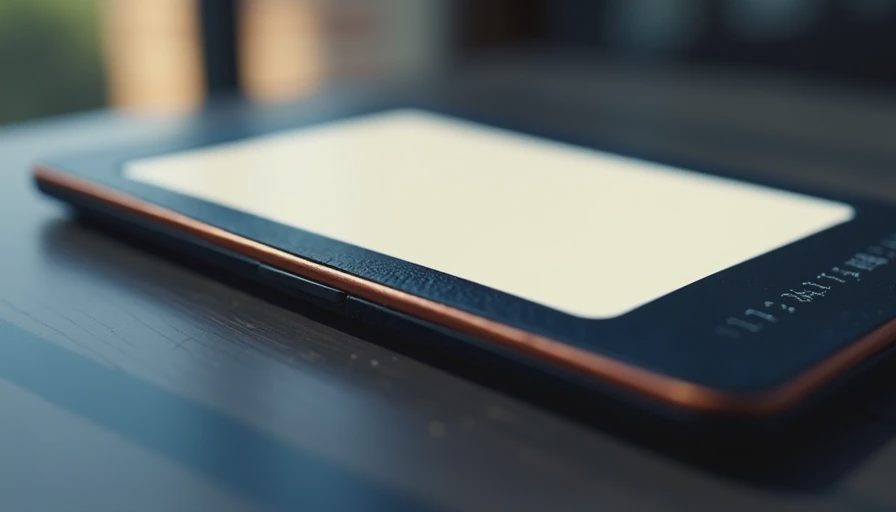
The asymmetrical aluminum body is the other big differentiator. One side is thicker and houses two physical page-turn buttons, while the display rotates so you can hold the device in either hand. For reading in bed, on a crowded train, or while standing in a kitchen waiting for pasta water to boil, those buttons are genuinely useful. They let you turn pages without shifting your grip or smearing the screen.
This is where the spec sheet stops helping. The Oasis does not win because aluminum is automatically better than plastic. It wins because the shape gives your thumb a natural place to rest. After reading for an hour, that can matter more than a slightly faster processor.
Still, the metal back can feel cold and slippery, especially without a case. The raised side also takes up more bag space than the flat Paperwhite design. If you mostly read under a blanket or carry your e-reader in a small sling, the shape is either a comfort upgrade or an unnecessary bump, depending on your hands.

2. The screen and lighting remain excellent, but the age shows
The Kindle Oasis has adjustable warm lighting, which shifts the screen from a cool white to a softer amber tone. That is helpful for nighttime reading and easier on a room shared with a sleeping partner. Automatic brightness is available on models equipped with the relevant sensor, and the screen is still crisp enough that small text looks clean rather than gray and fuzzy.
It is also waterproof, with an IPX8 rating designed for immersion in fresh water under specified conditions. In normal life, that means the Kindle Oasis is a safer companion near a bathtub, pool, or damp beach towel. Waterproofing is not permission to use it as an underwater tablet, but it removes the constant fear of one accidental splash ruining a $250 device.
The problem is not the display. The problem is everything around it. The Kindle Oasis has a smaller battery than the latest Paperwhite, and its aluminum construction does not make it feel especially rugged. You may get weeks between charges with light reading, but heavy lighting, Wi-Fi, and long sessions can shorten that noticeably. A newer Paperwhite generally makes more sense if charging is something you routinely forget.
Amazon also no longer treats the Kindle Oasis as its flagship e-reader. Stock is inconsistent, new inventory can be hard to find, and used listings often mix different generations. That makes the Kindle Oasis a product you should inspect carefully rather than buy from the first listing with a familiar name.
3. Used pricing decides whether it is a smart purchase
A Kindle Oasis made sense at its original premium price because it offered features cheaper Kindles did not. Today, the comparison is different. A new Paperwhite often delivers a similar reading experience, a larger battery, waterproofing, and a simpler design for less money. The Oasis only becomes compelling when the price reflects its age.
For a used 10th-generation unit, I would look for a clean 8GB model around $130 to $180, depending on condition and accessories. A 32GB version can cost more, particularly if it includes cellular connectivity, but extra storage is mostly useful for audiobooks and large collections. If a seller wants $250 or more for a used Kindle Oasis, I would pause. At that point, you are paying collector pricing for an old product rather than buying practical value.
Check the screen for bright spots, uneven front lighting, and dead areas. Test both page buttons, confirm that the USB-C expectation is not misleading—the 10th-generation Oasis uses Micro-USB—and ask about battery behavior. A battery that drops rapidly during a short reading session can turn a premium e-reader into a permanently tethered device.
Amazon-certified refurbished inventory can be safer than a random marketplace listing, although availability changes. A reputable seller should provide a return window. That matters because battery health is difficult to judge from photographs and a five-minute unboxing.
Who should buy the Kindle Oasis?
Buy the Kindle Oasis if physical buttons are not a nice-to-have but the reason you are shopping. It is also a strong fit for someone who reads daily, prefers a larger screen, wants warm lighting, and enjoys holding a device that feels more deliberate than a basic plastic reader. If you find a lightly used model near $150, it can still be a satisfying purchase.
The Kindle Oasis also works well for readers with limited hand mobility. Buttons can be easier to locate and press than a touchscreen target, especially when a reader is holding the device with one hand. That is not a universal advantage, but it is a meaningful one for the right person.
Do not buy the Kindle Oasis simply because it is the most expensive option you can find. Price alone does not create a better reading habit. If you read twice a month, a basic Kindle is enough. If you want a device for audiobooks, note that Bluetooth headphones are supported, but the reading-focused interface will not replace a dedicated audio player for everyone.
What I would choose instead in common situations
If I were buying for a commuter who wants durability and long battery life, I would choose a current Paperwhite. It is less distinctive, but its flat body slips into a backpack more easily and its battery is less demanding. That is the sensible choice for most people.
For a reader who hates tapping the screen, I would choose the Kindle Oasis, provided the used price is reasonable and the buttons pass inspection. The physical controls are not a gimmick; they change how relaxed the device feels during long sessions.
For a gift, I would avoid a used Kindle Oasis unless the recipient specifically asked for that model. A new device with a warranty creates less credit-card-fight energy, and the recipient is less likely to inherit a tired battery. If the buyer wants a premium reading experience, current Kindle models are easier to recommend than a discontinued one.
The bottom line before you buy
The Kindle Oasis is a good product with an increasingly narrow audience. Its screen, warm light, waterproofing, and page buttons still feel excellent. Its aging battery, Micro-USB port, uncertain availability, and used-market pricing are the parts that can make the purchase annoying after the excitement wears off.
If you can find a clean 10th-generation Kindle Oasis for roughly $130 to $180, and you know you want physical buttons, I would consider it. If the price approaches a new premium e-reader, skip it and buy the newer model. Buy the version of the product you will still like after the excitement wears off—not the one that looks most impressive in the listing photo.

No comments yet — be the first to share a thought.