
Sennheiser HDB 630 wireless headphones are aimed at people who want better-than-average sound without giving up the convenience of Bluetooth. That sounds simple, but this is not a casual $80 headset you toss into a backpack and forget about. It is a premium over-ear purchase, which means the real question is less “Are the specs impressive?” and more “Will I still enjoy using these three months from now?”
My short answer: probably, if you value detailed music playback, long listening sessions, and a more serious design than most mainstream headphones. But if your priorities are the strongest noise cancellation, tiny portability, or the lowest possible price, there are easier choices. The three things that actually matter are sound, everyday comfort, and how much of the premium experience you will use.
1. The sound is the main reason to pay attention
Sennheiser has a long history of making headphones that appeal to listeners who care about balance and detail rather than exaggerated bass. The HDB 630 follows that general direction. Music should sound spacious and controlled, with enough clarity for vocals, acoustic instruments, podcasts, and layered recordings to stay easy to follow.
That does not mean every song will suddenly become a studio master. Poor recordings still sound poor, and your phone’s streaming settings still matter. The benefit is that the headphones should give you more separation between instruments and more texture in familiar tracks. You might notice a guitar pick, room ambience, or a bass line that used to blur into the background.
The wireless connection is important here. Bluetooth codecs, source devices, and app settings can affect the result, so Android and iPhone users may not get identical performance. The included software and supported high-quality wireless features matter more to enthusiasts than to someone listening to Spotify during email. This is where the spec sheet stops helping: a technically capable connection does not matter if you dislike the fit or never listen closely enough to notice the difference.
Sennheiser HDB 630 wireless headphones make the most sense for a buyer who regularly listens to albums, works in a quiet office, or wants one pair for focused listening at home. They are less compelling if nearly all your audio is short videos, phone calls, and background playlists.

2. Comfort decides whether the premium price survives real life
A premium headphone can sound fantastic and still lose the household vote if it creates pressure after 45 minutes. Over-ear models need enough room around the ears, a headband that spreads pressure comfortably, and ear cushions that do not turn warm during a long work session. Individual fit varies, but these are the details that determine whether a product becomes part of your routine or remains an expensive drawer resident.
Sennheiser HDB 630 wireless headphones appear designed for sustained listening rather than quick commutes. That is good news for a home office, a flight, or an evening on the couch. It also means you should think about bulk. These are not likely to disappear into the same small pocket as compact earbuds, and a larger case takes up meaningful room in a work bag.
The practical test is simple. Wear them for a full movie, then keep them on during a 30-minute work block. Notice whether your glasses, jaw, crown, or ears become the problem. A comfortable clamp can feel secure at first but tiring later. A loose fit can feel pleasant indoors but shift when you walk outside. Buy from a seller with a clear return policy if you cannot try them first; comfort is personal, and no measurement on a product page can settle it.
3. Noise cancellation is useful, but it should not be the whole pitch
Active noise cancellation is most valuable when it removes steady low-frequency sound: an airplane engine, HVAC rumble, or nearby road noise. It is less magical with voices, sudden clatter, or a child announcing that a snack emergency has occurred. If you are shopping mainly for maximum silence, Bose QuietComfort Ultra and Sony WH-1000XM5 deserve a direct comparison because their reputations are built heavily around noise control and travel comfort.
Sennheiser HDB 630 wireless headphones are better viewed as a sound-first premium option that also supports modern daily convenience. That distinction matters. You can pay a similar amount and receive a different balance of strengths: Sony often emphasizes features and adaptive noise control, Bose has a long comfort-and-quiet reputation, while Sennheiser traditionally attracts listeners who put musical character near the top of the list.
None of that makes one brand universally better. On a loud flight, noise reduction may matter more than a wider soundstage. In a quiet bedroom, sound quality and comfort may matter more than another layer of app automation. Decide where you will use the headphones before comparing feature checkboxes.
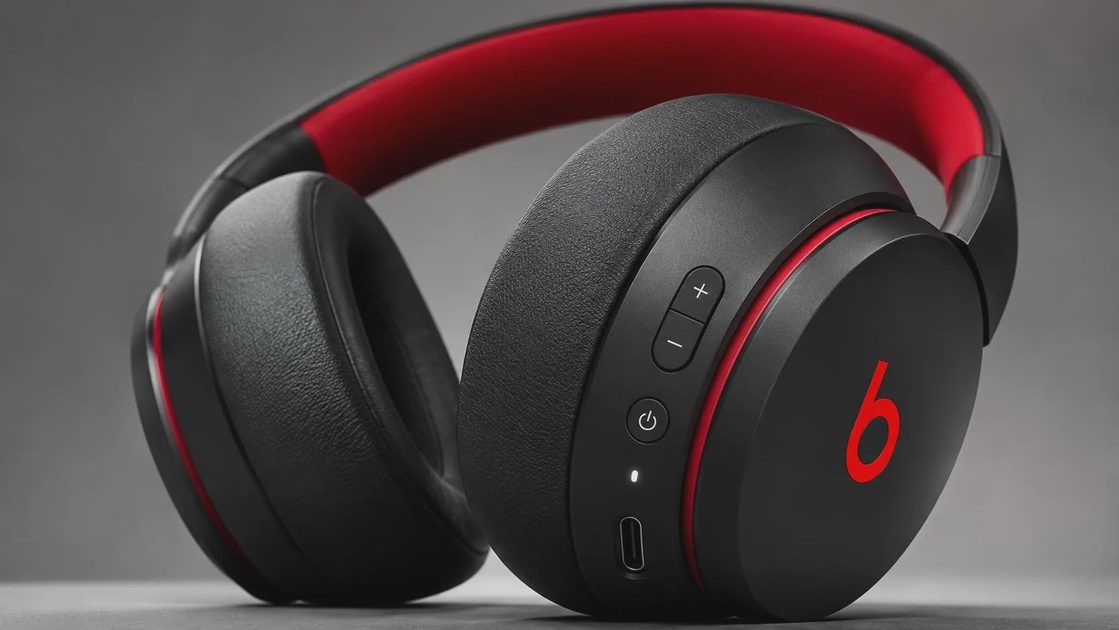
What ownership is like after the unboxing excitement
Sennheiser HDB 630 wireless headphones should be judged as a daily tool, not a trophy for a specification list. Check the controls, Bluetooth pairing, microphone behavior, charging routine, and whether the carrying case fits the way you travel. A headset that sounds excellent but requires repeated reconnecting will test your patience before the first vacation is over.
Also consider wired use and battery habits. A USB-C charging connection is convenient because the same cable may already charge your phone, tablet, or laptop. Still, wireless battery life is only useful if it matches your schedule. Someone who works from home and charges every weekend has a different need from a frequent traveler who forgets cables in hotel rooms.
For calls, expectations should stay realistic. Premium music headphones can handle ordinary meetings, but a dedicated headset may still sound clearer in a windy park or a busy coffee shop. The microphones do not have to be bad for this to be true; they simply serve a different design goal than a boom microphone.
Who should buy them, and who should wait
Buy Sennheiser HDB 630 wireless headphones if you want one premium pair for music, focused work, travel, and relaxed home listening. They are especially sensible when you already know you prefer Sennheiser’s more refined presentation over bass-heavy tuning. They can also be a strong upgrade from basic earbuds when long listening sessions are becoming uncomfortable.
Wait or choose something else if you mostly need compact earbuds, take calls in noisy places, or want the best discount-friendly value. The Soundcore Space Q45, Sony WH-1000XM5, Bose QuietComfort line, and Sennheiser’s own lower-priced models can all make more financial sense depending on the sale price and your priorities. A $200 headphone that fits your actual habits beats a $500 headphone used twice a month.
Before ordering, write down the three situations you expect to use most: desk work, flights, music at home, commuting, or calls. Then rank sound, quiet, comfort, and portability. Sennheiser HDB 630 wireless headphones rise quickly when sound leads that list. They fall quickly when convenience and aggressive noise cancellation are the only things you care about.
My buying call
If I were buying this for myself today, I would choose Sennheiser HDB 630 wireless headphones only after confirming the return policy and comparing the current street price with Sony and Bose alternatives. At full premium pricing, the buyer needs to care about listening quality, not just the Sennheiser name. At a meaningful sale price, the decision becomes easier for someone who wants a polished over-ear pair with serious musical ambitions.
This is a good product for the right buyer, not an automatic recommendation for everybody. If your evenings include albums, your workday includes long focus blocks, and you are tired of disposable-feeling gadgets, it deserves a close look. If you want the cheapest practical wireless option, skip the prestige purchase. Buy the version of the product you will still like after the excitement wears off.



No comments yet — be the first to share a thought.