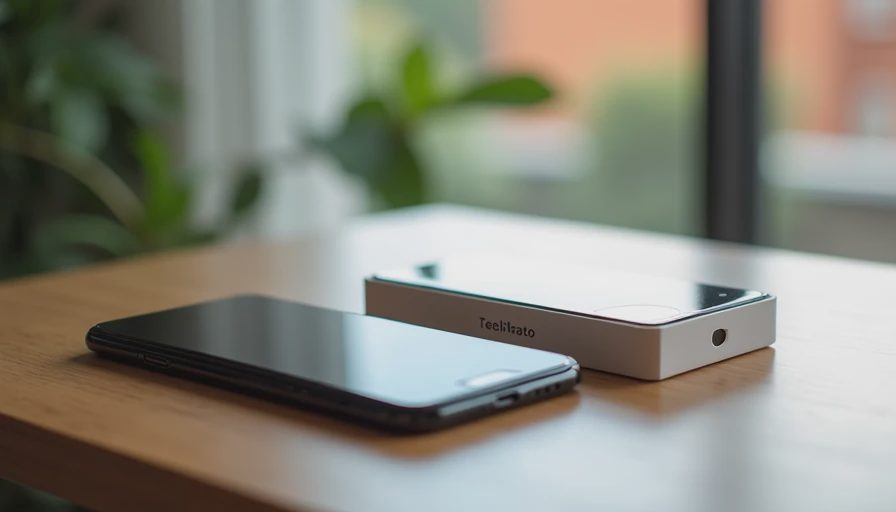
I’m Nolan. I buy tech with my own money and keep it long enough to learn whether the upgrade cycle actually improves my week. Every year the same question appears: is the new model worth the jump, or is last year’s version the smarter buy now that the price has dropped and the novelty has moved on?
For most normal buyers the answer is more consistent than the marketing suggests. Last year’s model wins more often than the hype wants you to believe.
What usually changes year to year
The new model is almost always better on paper. Incremental improvements stack up: a slightly faster chip, a modestly better camera system, a brighter or more efficient screen, refined design, longer battery life under ideal conditions, or new software features. Some of those gains are real. Many of them are small in daily use.
What rarely changes is the core job. The phone still makes calls, handles messages, runs the same apps, and takes good-enough photos. The laptop still edits documents, runs the browser, and joins video meetings. The headphones still play audio and handle calls. If last year’s version already cleared those bars comfortably, this year’s version is often an improvement on a solution you already have rather than a solution to a problem you still feel.

The practical comparison that matters
I run the same short filter every time the new model launches:
Does my current (or last year’s) device create recurring friction in a normal week?
If the answer is no—if it is still fast enough, reliable enough, and pleasant enough for the work and life I actually do—then the upgrade is optional. Optional upgrades are the ones most susceptible to hype.
Is the year-over-year difference large enough to change a weekly pattern?
Not a benchmark chart. A weekly pattern. Faster app launches that I notice. Battery that lets me stop carrying a power bank. A camera that meaningfully improves the photos I take of family. A screen that is easier to use in the light conditions I work in. If I cannot name the pattern, the difference is probably not decisive.
What is the real price gap once last year’s model is discounted?
The new model launches at full price. Last year’s model often sits 20–40% lower within months. That gap frequently buys most of the practical performance while leaving money for something else—or simply unspent.
When the current device is still fine and the practical differences are modest, last year’s model (or keeping what you already own) is usually the higher-value move.
When this year’s model is the better call
There are clear cases:
Your existing device is slow, unreliable, or actively frustrating in daily use.
A specific new feature or improvement removes a friction you hit regularly (meaningfully better battery, much better low-light photos you actually take, a display upgrade that changes readability in your environment, stronger durability you need).
You keep devices for many years and the newer platform or efficiency gains have a realistic chance of extending the useful life enough to matter.
In those situations the newer model can be the rational purchase. The key is that the decision starts from a real limitation or a clear, recurring benefit rather than from the launch cycle itself.
The quiet cost of always buying new
Chasing the current generation has compounding effects. You pay the early-adopter premium. You absorb the first round of software rough edges. You reset the ownership clock more often. And you spend attention on the comparison that could have been spent elsewhere. None of these is dramatic in isolation. Together they make the “best” option more expensive than the price tag shows.
Last year’s model avoids most of that. The software is more mature. The price is lower. The performance is still strong for ordinary work, communication, and media. For buyers who are not trying to maximize every benchmark, that combination is hard to beat.

A simple rule
If you would not be shopping except for the fact that a new model was announced, wait or buy last year’s. If your current device is creating real friction and the new one clearly removes it, buy the new one. Everything else is noise.
Buy the version of the product you’ll still like after the excitement wears off. More often than not, that version is the previous generation—still excellent, now cheaper, and free of the launch narrative. The hype cycle resets every year. Your actual needs reset far less often. Match the purchase to the needs.


No comments yet — be the first to share a thought.