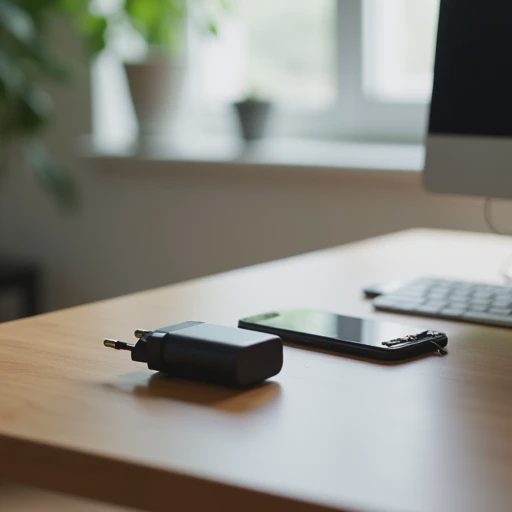
I’m Nolan. I buy tech with my own money and track what actually stays in use versus what gets replaced, returned, or quietly abandoned. One of the easiest ways to overspend is not by buying the expensive option. It is by buying the cheap one twice.
The first purchase feels responsible. The price is low. The reviews are “good enough.” You tell yourself that if it works, you win, and if it doesn’t, you didn’t risk much. Then the thing fails early, performs poorly enough to frustrate you, or never quite solves the problem. You buy a better version later. The total is now higher than if you had bought the solid option the first time—and you have also spent the extra time, attention, and mild irritation of living with the weak one in between.
That pattern is common enough that I treat it as a real cost category.
Where the cheap option quietly becomes expensive
It happens most often in categories where the difference between “barely works” and “works reliably” is obvious in daily use:
Chargers that overheat, drop connection, or die after a few months
Cables that fray, only work at certain angles, or charge slowly
Earbuds with microphones that make you sound bad on calls
Power banks that lose capacity quickly or cannot deliver useful power to a laptop
Keyboards or mice that feel acceptable for a week and then reveal discomfort or unreliability
Small desk or travel accessories that break, rattle, or stop being worth the trouble
In each case the initial price looks like a saving. The second purchase, plus the wasted time and the period of annoyance, erases the saving and then some.
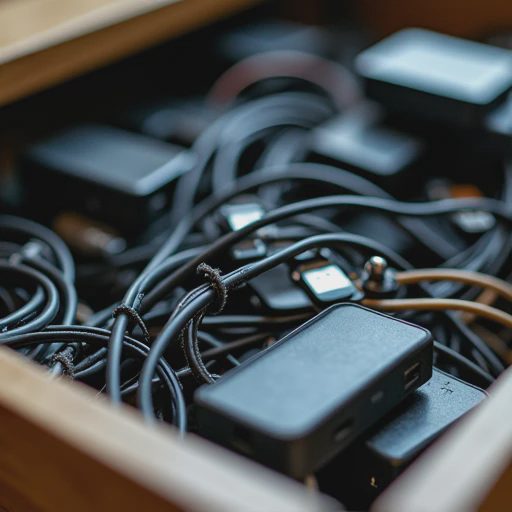
The costs that do not appear on the receipt
The obvious cost is the second payment. The less obvious ones add up:
Time spent researching the replacement, ordering it, and dealing with the old one
The stretch of days or weeks where the original problem is only half-solved
Mental friction—knowing the tool is unreliable makes you slightly less likely to use it, which can create workarounds that cost more attention
Bag or desk space occupied by something you no longer trust
In some cases, the environmental and logistical cost of returns or disposal
These are real. They rarely get counted when the decision is framed as “this one is only $25.”
A better way to read the price
I no longer ask only “What is the cheapest acceptable option?” I ask “What is the least expensive option that is unlikely to need replacing in the near term?”
That shifts the target. It still rules out unnecessary premium versions. It also rules out the options that are cheap because they cut the exact corners that matter in daily use—build quality, thermal behavior, connection reliability, comfort over time, and consistent performance.
In practice this often lands on a mid-tier product with a strong track record rather than the absolute cheapest or the most expensive. The mid-tier version is frequently the one that clears the real requirements without inviting a second purchase.
When the cheap option is still the right call
Not every low-priced item is a trap. The distinction is whether the product is doing a simple, low-stakes job or a recurring, friction-sensitive one.
Cheap is often fine for:
One-off or rare-use items
Things where failure is inconvenient but not frequent or disruptive
Categories where the performance difference between cheap and solid is genuinely small
Cheap is riskier when:
You will use the item daily or near-daily
Failure or poor performance creates immediate frustration (calls, charging, typing, power while traveling)
The item has to be reliable in less-than-ideal conditions (heat, movement, shared space)
Matching the durability and performance level to the frequency and cost of failure keeps the total cost lower.
The simple filter I use
Before buying the inexpensive version, I finish this sentence:
“If this fails or disappoints in the first six months, the total cost will be ___ and the interruption will look like ___.”
If the honest answer is higher than the price of the more reliable option, I buy the more reliable option. The goal is not to spend more. The goal is to spend once.

Buy the version of the product you’ll still like after the excitement wears off. Sometimes that version costs a little more up front and a lot less overall. Buying twice is one of the most reliable ways to turn a bargain into an expensive decision. The smarter move is to clear the real bar the first time.

No comments yet — be the first to share a thought.